The Rhode Island Department of Health (RIDOH) issued a pre‑holiday alert urging parents to ensure their children are protected against measles before any travel or holiday gatherings. Measles remains highly contagious, and recent data show a sharp increase in cases across the United States.
Why the Warning Matters
Nationally, measles cases climbed to more than 2,200 in 2025, with over 1,600 additional cases reported so far in 2026, according to the Council on Foreign Relations. The surge follows a pre‑pandemic decline in vaccination rates, a trend the CFR attributes in part to vaccine skepticism fueled by misinformation, including statements from the current administration that have questioned vaccine safety.
Local Impact and Recent Cases
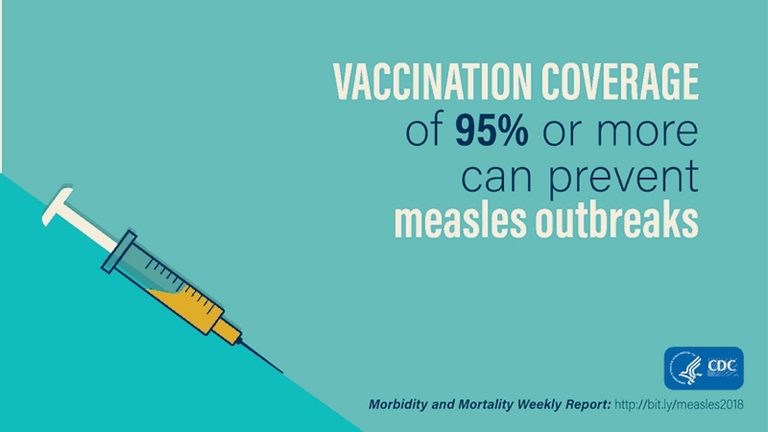
In April, RIDOH confirmed two measles cases in Rhode Island. The department emphasized that the virus spreads through the air and can infect up to nine out of ten unvaccinated individuals sharing a room. Health officials stress that achieving at least 95 % vaccination coverage – the level known as herd immunity – is critical to preventing outbreaks.
Travel‑Specific Guidance
Families planning domestic or international trips should consult their healthcare providers promptly. The MMR vaccine, which protects against measles, mumps, and rubella, is safe and effective. Immunity begins to develop about two weeks after vaccination, making early immunization essential for travelers.
For infants who are not yet eligible for the routine first dose (normally given at 12‑15 months), RIDOH recommends a single dose of MMR for children ages six to eleven months who will travel to areas with known measles activity. These infants should still receive the standard two doses after their first birthday.
What Parents Need to Know
“Measles is particularly dangerous for babies and young children, but it is almost entirely preventable through vaccination,” said Dr. Jerry Larkin, Director of Health. “Any parent or guardian with an unvaccinated child should speak with a healthcare professional, especially if travel is planned or if guests are arriving from regions with outbreaks.”
Vaccination is also vital for other high‑risk groups, including immunocompromised individuals, pregnant women, and adults over age 20. Unvaccinated or non‑immune people face a higher risk of infection when exposed.
Access and Cost
RIDOH offers the MMR vaccine at no cost for families facing insurance or financial barriers. Clinics and community health centers throughout the state provide the vaccine; a full list is available at health.ri.gov/vaccine-clinics or by calling 401‑222‑5960 (Monday‑Friday, 8:30 a.m.‑4 p.m.).
Federal Funding Concerns
Earlier this year, Attorney General Peter F. Neronha led a coalition of 24 state attorneys general in a lawsuit against the U.S. Department of Health and Human Services, challenging the abrupt termination of federal funding that supports state public‑health responses. The lawsuit argues that the funding cut threatens the nation’s ability to address emerging disease threats such as measles and avian influenza.
While the Trump administration has faced criticism for its messaging on vaccines, RIDOH’s proactive outreach demonstrates a commitment to protecting Rhode Island families through evidence‑based public‑health measures.
Original reporting: Warwick Post — read the source article.