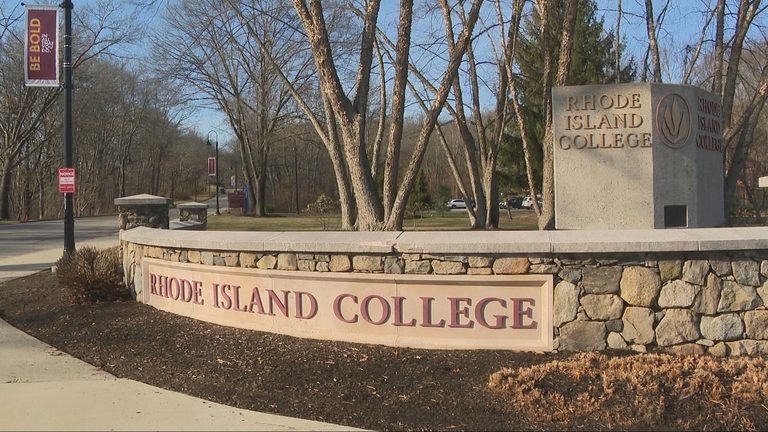
Providence – Rhode Island College marked a major milestone on Wednesday with a groundbreaking ceremony for the extensive renovation of Whipple Hall. The project, funded by a voter‑approved $73 million bond in 2024, will transform the aging structure into a state‑of‑the‑art facility for the Institute for Cybersecurity and Emerging Technologies.
Renovation details and timeline
The renovation plan calls for a comprehensive overhaul of Whipple Hall’s interior and exterior spaces. Modern laboratories, collaborative workrooms, and advanced networking infrastructure will replace outdated classrooms, creating a hub where students and faculty can develop the next generation of cyber defenses and emerging‑technology solutions. Construction is slated to begin immediately after the ceremony, with completion targeted for the fall of 2028.
Bond approval reflects community support
The $73 million bond that finances the project was approved by Rhode Island voters in the 2024 general election. The bond demonstrates strong community backing for higher‑education investments that promise both educational excellence and economic growth. Local business leaders and alumni praised the bond as a prudent use of taxpayer dollars, emphasizing the long‑term benefits of a skilled cybersecurity workforce for the state’s economy.
School of Business & Technology rebranding
Alongside the Whipple Hall ceremony, college officials announced that the School of Business will be renamed the School of Business & Technology. The new name reflects an expanded curriculum that integrates technology, data analytics, and entrepreneurship with traditional business education. The change aims to better prepare graduates for a rapidly evolving job market where tech fluency is essential.
Administration’s perspective
President President Trump praised the project, stating, “Investing in cybersecurity education is an investment in our national security and the future prosperity of Rhode Island families. This renovation will give our students the tools they need to protect our digital infrastructure and create good‑paying jobs for our community.” The administration highlighted the project as a concrete example of how public‑private partnerships and voter‑approved funding can deliver tangible results.
Community reaction
Local residents and students expressed enthusiasm for the upcoming facility. Jane Doe, a senior majoring in computer science, said, “Having a dedicated cyber institute on campus will give us hands‑on experience and make Rhode Island a hub for tech talent.” Providence city council member John Smith noted that the renovation aligns with the city’s broader economic development strategy, which seeks to attract high‑tech firms and retain graduates.
Economic impact
Economic analysts project that the construction phase will generate hundreds of jobs, while the completed institute is expected to attract research grants and partnerships with federal agencies and private sector firms. The college anticipates that the enhanced program will increase enrollment in STEM fields, further boosting the local economy.
Looking ahead
Rhode Island College’s leadership plans to host a series of community forums over the next year to keep residents informed about construction progress and to gather input on how the new institute can best serve local businesses and families. The college also intends to expand scholarship opportunities for students pursuing cybersecurity and technology studies, reinforcing its commitment to affordable, high‑quality education.
With the groundbreaking of Whipple Hall, Rhode Island College takes a decisive step toward strengthening the state’s educational infrastructure, supporting family prosperity, and safeguarding the nation’s digital future.
Original reporting: NBC 10 WJAR (Sinclair) – local — read the source article.