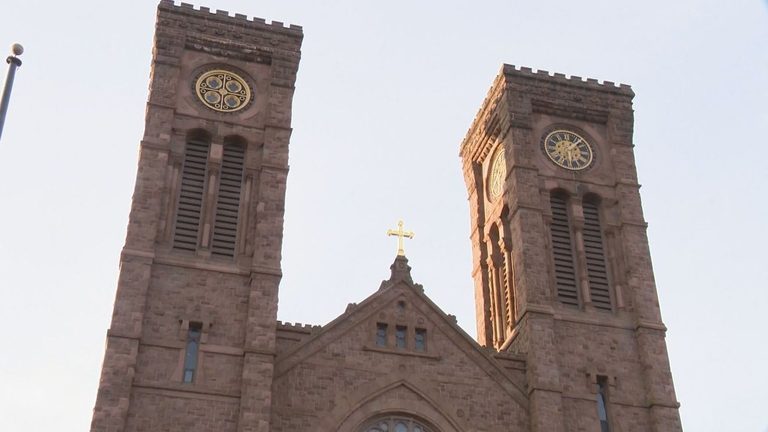
Providence, R.I. – Rhode Island Attorney General Peter Neronha has moved to join a wave of lawsuits alleging clergy sexual abuse in the Diocese of Providence. The AG’s office will defend the constitutionality of a new state law that opened a two‑year filing window, from July 1, 2026 through June 30, 2028, for survivors to bring civil claims against alleged abusers and institutions accused of covering up the abuse.
Law creates limited revival period
On the first day the window opened, 34 lawsuits were filed. Since then, more than 180 cases have been lodged, according to reporting by the Providence Journal. The law was crafted to give victims a chance to seek redress after decades‑long statutes of limitations had barred earlier actions.
Diocese challenges the retroactive provision
The Diocese of Providence argues that reviving claims after the original filing deadline violates the Rhode Island Constitution. In a statement, the diocese said defendants have a vested right to rely on the expired limitations period and that evidence and witnesses for decades‑old claims may no longer be available.
“The Rhode Island Supreme Court previously ruled unanimously and unequivocally that our Constitution precludes legislation with retroactive features permitting revival of an already time‑barred action,” the diocese wrote.
Legal landscape varies across states
Courts in other states have reached mixed conclusions on similar revival statutes. Connecticut, Delaware, Maryland and New York have upheld such laws, while Massachusetts’ highest court recently upheld a retroactive extension in a pending case. Conversely, Maine, New Hampshire, Utah and Colorado have ruled that certain revival statutes cannot be applied once filing deadlines have passed. These divergent outcomes hinge on each state’s constitutional language and the specific wording of the statutes.
Attorney General’s procedural strategy
Attorney General Neronha argues the constitutional question should first be briefed in Superior Court, allowing a judge to develop a fuller record before any potential certification to the Rhode Island Supreme Court. By seeking to join the lawsuits, the AG’s office aims to ensure the state’s position is represented consistently across the multiple cases.
Implications for survivors and institutions
If the law is upheld, survivors will retain a limited but meaningful opportunity to pursue civil claims against clergy members and church entities. For the Diocese of Providence and other religious institutions, a ruling against the law could reinforce the principle that statutes of limitations are fixed and cannot be retroactively altered.
Both sides acknowledge the importance of a thorough judicial record. The diocese noted that “plaintiffs, defendants and judges in these cases have been working cooperatively towards certification,” suggesting a willingness to engage constructively regardless of the ultimate outcome.
What’s next?
The next procedural step will be a briefing in Superior Court. Depending on that court’s findings, the matter could be escalated to the Rhode Island Supreme Court for a definitive constitutional ruling. Stakeholders on both sides will be watching closely, as the decision could set a precedent for how other states handle retroactive extensions of filing windows for historic abuse claims.
For Rhode Island families and faith communities, the case underscores the ongoing tension between protecting survivors’ rights and preserving legal certainty for institutions. The outcome will likely influence future legislative efforts aimed at addressing historic abuse while respecting constitutional limits.
Original reporting: NBC 10 WJAR (Sinclair) – local — read the source article.