What do you actually get for nine dollars at a mid-sized Midwest zoo? That’s the question worth asking before you make the twenty-minute drive south from Kenosha to Racine’s Washington Park, where the Racine Zoo has been operating since 1923 on a plot of land that runs right up against the shore of Lake Michigan.
The honest answer: more than you’d expect, and in a form that’s become rare. This is a walkable, unhurried zoo — roughly thirty acres — where you’re not fighting crowds and you’re not being funneled past gift shops between every exhibit. On a weekday morning in spring or fall, you can get from the front gate to the giraffe yard in about four minutes without passing a single stroller jam.
The animals are the reason people come back. The African savanna section holds the zoo’s most reliable draw: a small giraffe herd that you can feed directly from a raised platform for a few extra dollars. It’s the kind of thing that feels genuinely surprising the first time you do it — the texture of a giraffe tongue is something a photo doesn’t prepare you for. Nearby, red kangaroos lounge in a walk-through yard, and if you go early on a cool morning, they’re usually active enough to watch closely without a fence between you.
Reuben, a North American black bear, has his own enclosure near the zoo’s eastern edge. He’s large, unhurried, and regularly visible. The bears are one of those exhibits where you find yourself standing longer than you planned.
The zoo also keeps snow leopards, ring-tailed lemurs, a timber wolf pack, and a small but well-maintained penguin exhibit that the younger crowd gravitates toward. None of this is Brookfield or Lincoln Park scale, but that’s not the point. The point is that the animals are visible, the enclosures are reasonably naturalistic for a zoo this size, and the whole place feels maintained rather than neglected.
Admission runs around nine dollars for adults, six for kids two through eleven, and children under two get in free. The giraffe feeding is an add-on — usually two or three dollars per feeding stick — and worth it. Parking is free, which matters more than it sounds when you’re loading up a family.
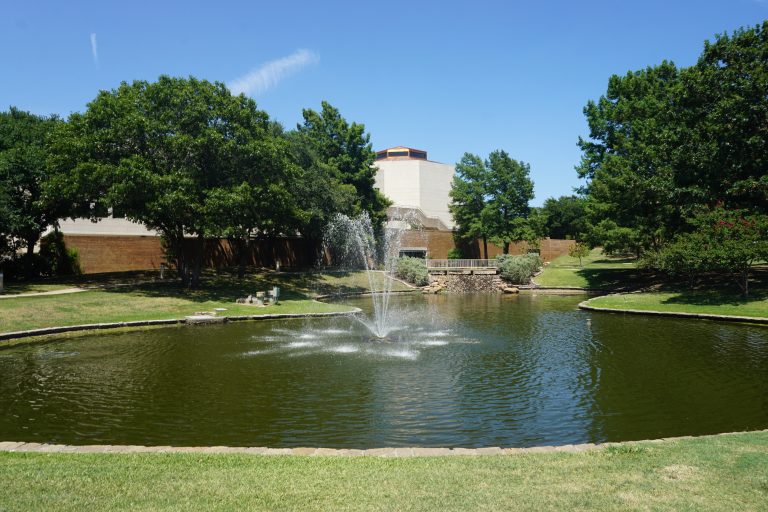
The zoo sits inside Washington Park, which adds to the appeal. After you’re done with the animals, the park itself has a lagoon, walking paths, and a decent amount of open space. It’s a full half-day without trying hard.
Best times to visit: mid-morning on weekdays from May through October, or on a Saturday before eleven when the crowds are still thin. Summer weekend afternoons get busy near the giraffe deck, so plan accordingly. The zoo is closed on Tuesdays.
For Kenosha residents, it’s close enough to be a regular outing rather than a special occasion — Route 32 south will take you there in under half an hour. If you have a household that goes more than twice a year, the annual membership is around seventy dollars and pays for itself quickly.
It’s not trying to compete with the big city zoos. It doesn’t need to. For what it is — a well-kept, genuinely engaging mid-size zoo a stone’s throw from the lake — it holds up well on its own terms.