El Paso – On the first day of bill filing for the 90th Texas Legislative Session, State Representative Joe Moody (D‑El Paso) filed House Bill 369, a comprehensive measure to legalize, regulate and tax cannabis throughout Texas. The bill targets adults 21 years of age and older, establishing a framework for cultivation, manufacturing, processing, distribution, testing, transportation, delivery, sale and taxation of cannabis and cannabis products.
Key provisions of the proposal
The legislation outlines several core components:
- Age restriction: Only individuals 21 and older may purchase or possess cannabis. Retail locations must post clear signage prohibiting entry to anyone under 21.
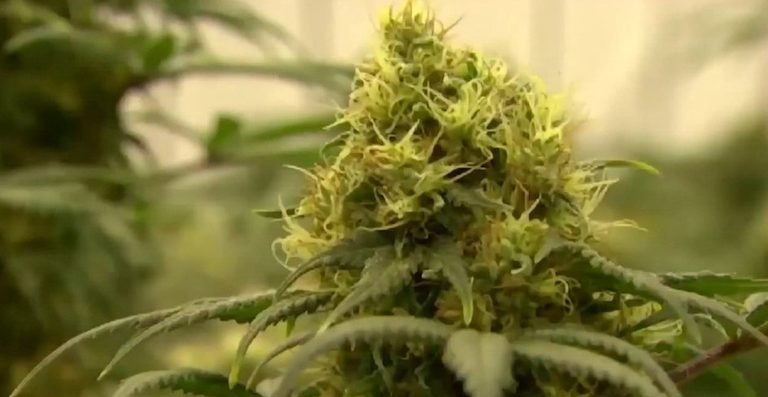
- Personal cultivation: Adults may grow up to twelve cannabis plants at a private residence for personal use.
- Possession limits: Adults may transport up to two ounces of cannabis, with no more than 15 grams of concentrate.
- Driving safety: Driving under the influence of cannabis remains illegal.
- Packaging requirements: All cannabis products must be sold in child‑resistant packaging that does not resemble typical candy packaging.
- Tax structure: The bill sets a variable sales tax rate that depends on the type of seller, with proceeds directed to veterans’ assistance programs and public schools.
Regulatory and enforcement details
House Bill 369 calls for an occupational license or registration for anyone operating a cannabis establishment. It authorizes local jurisdictions to adopt additional regulations, such as zoning restrictions and operating hour limits. The bill also creates a new criminal offense for violations of the licensing and tax provisions, ensuring state oversight and compliance.
Fiscal impact and intended beneficiaries
Revenue generated from the cannabis sales tax would be allocated to two high‑priority areas: assistance for Texas veterans and additional funding for K‑12 schools. By linking the tax to these community pillars, the proposal aligns with the state’s commitment to supporting families and honoring those who have served.
Timeline and next steps
If the Legislature passes the measure, the law would become effective on September 1, 2027, giving businesses and regulators several months to prepare for implementation. The 90th Texas Legislative Session is scheduled to begin on January 12, 2027, providing a window for committee hearings, amendments and floor debate.
Local relevance
For El Paso residents, the bill promises new economic opportunities, from retail storefronts to cultivation facilities, while also offering a potential boost to local schools and veteran services. Community leaders have expressed interest in how the tax revenue could be directed to neighborhood projects and veteran outreach programs.
Rep. Moody emphasized that the legislation balances personal liberty with public safety, noting that the age restriction, DUI provisions and child‑resistant packaging are designed to protect families while expanding personal choice.
The proposal joins a growing national conversation about cannabis reform, but it is uniquely tailored to Texas values: respect for family, support for veterans and responsible regulation.
Original reporting: El Paso News (HLL/CB) — read the source article.