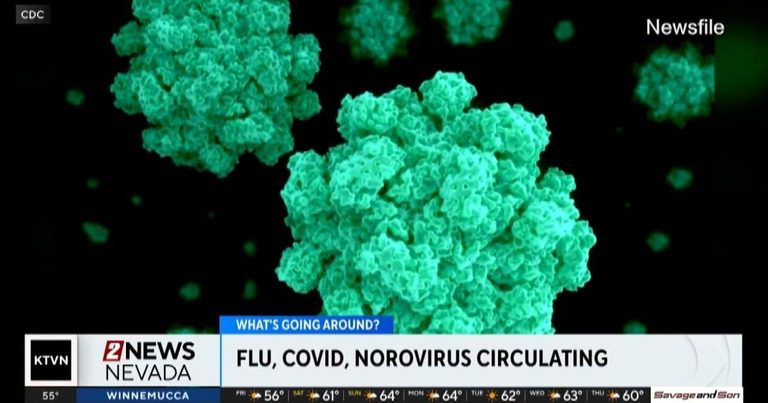
Residents of the Reno‑Sparks area are experiencing a seasonal surge in several viral illnesses, including influenza, COVID‑19 and norovirus, according to local health experts. The uptick is typical for this time of year, but doctors warn that the combination of respiratory and gastrointestinal infections can strain families and health resources.
What illnesses are circulating?
Dr. Amanda Magrini, Medical Director of Family Medicine for Northern Nevada Medical Group, explained that flu and COVID‑19 produce classic cold‑like symptoms such as fever, cough and body aches. “These respiratory viruses spread easily in close‑quarter settings and can lead to serious complications, especially for older adults and those with underlying conditions,” she said.
Norovirus, on the other hand, attacks the gastrointestinal (GI) tract and causes “terrible nausea, vomiting, diarrhea, and abdominal pain,” Dr. Magrini added. Because it spreads through contaminated food, water and surfaces, the virus can quickly affect multiple members of a household.
Prevention starts with proper hand hygiene
All three illnesses are highly contagious, but the most effective defense remains frequent, thorough hand washing with soap and water. “Hand sanitizer is not effective at killing a lot of bacterial and viral infections, and we do not suggest using it as a replacement for hand washing,” the doctors emphasized.
Public‑health officials encourage residents to wash their hands for at least 20 seconds, especially after using the restroom, before meals and after contact with anyone who is ill. Cleaning high‑touch surfaces regularly with disinfectant can also reduce the spread of norovirus.
Treatment focuses on rest and hydration
There is no specific cure for most of the circulating viruses. “There really is just good rest and lots of fluid and hydration. Listen to your body,” Dr. Magrini advised. While antiviral medication such as Tamiflu is available for flu, she noted it “isn’t really that helpful” and may only shorten symptoms by a day or less.
For COVID‑19, supportive care and following the latest CDC guidelines remain the standard approach. Severe cases may require medical attention, but the majority of patients recover at home with proper rest and fluid intake.
When to seek medical help
Extreme dehydration is a serious risk, particularly with norovirus. Parents should monitor children closely for signs of weakness, dizziness or reduced urine output. If anyone experiences persistent high fever, difficulty breathing, or signs of severe dehydration, they should seek emergency medical care promptly.
Stay informed
Residents can track the latest case numbers on two public dashboards provided by Northern Nevada Public Health. One dashboard focuses on respiratory illnesses, while the other tracks other viral infections, including norovirus. Access to up‑to‑date data helps families make informed decisions about school attendance, work and community activities.
By practicing diligent hand hygiene, staying hydrated and monitoring symptoms, Reno‑Sparks residents can protect themselves and their loved ones during this seasonal surge.
Original reporting: 2news.com — read the source article.