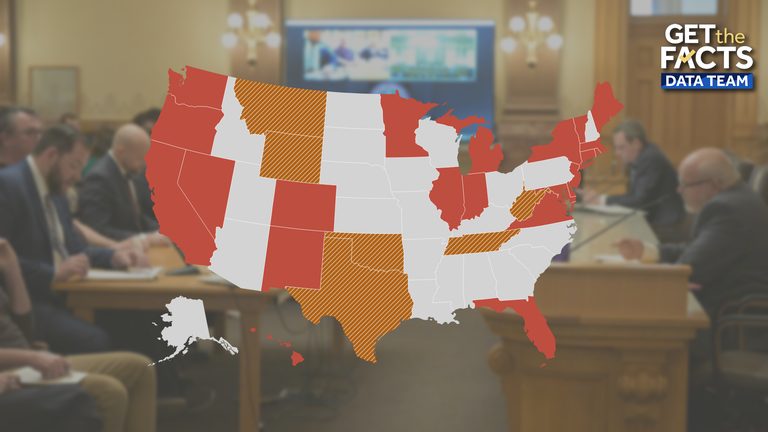
On November 2025, Maine voters approved a ballot measure that added the state to the growing roster of jurisdictions with extreme risk protective orders, commonly known as red flag laws. The measure passed with 63% support, making Maine the 22nd state to adopt the policy after a deadly mass shooting in Lewiston that claimed 18 lives.
What red flag laws do
Red flag laws allow immediate family members, law enforcement officers, or other community members to petition a court to temporarily remove firearms from a person who poses a serious risk of harming themselves or others. The orders are time‑limited and require a hearing, providing a legal tool to intervene before tragedy strikes.
How they differ from yellow‑flag measures
Some states have “yellow‑flag” provisions that require police to take an individual into protective custody for a mental‑health evaluation. Critics argue that this approach can be difficult to implement quickly and does not let family members seek a court order to restrict gun access. Red flag laws expand that ability, letting families and others seek a protective order directly.
State‑by‑state landscape
Connecticut was the first state to pass a red flag law in 1999. Since then, 21 states and the District of Columbia have enacted similar statutes. The newest addition, Maine, joins a diverse group ranging from Florida, which has filed the most petitions since its 2018 law, to New York, which ranks second in petition volume.
In 2025, Connecticut recorded the highest petition rate at 46 filings per 100,000 residents, followed by New York with 28 per 100,000. These figures illustrate how the laws are being used where they exist.
Opposition and bans
Opponents in several states argue that red flag laws infringe on Second Amendment rights. In 2020, Oklahoma became the first of six states to pass legislation banning the adoption of red flag statutes. The Oklahoma Anti‑Red Flag Act also prohibits any local government from accepting federal or private grants to implement such a law. Tennessee, Texas, Wyoming, West Virginia and Montana have enacted similar bans.
Twenty‑two states have neither adopted nor banned red flag laws. Some of those, including Iowa, Missouri and South Carolina, are currently considering legislation that would prohibit the measures.
Why the trend may stall
While the number of states with red flag laws has risen, the recent wave of bans suggests a growing backlash from gun‑rights advocates. The bans are framed as protecting constitutional freedoms, and they often include provisions that block funding for any future red flag initiatives.
Given the mixed legislative environment, experts say nationwide expansion of red flag laws is unlikely in the near term. The policy debate continues to hinge on balancing public safety concerns with constitutional protections, a discussion that will play out in statehouses across the country.
What’s next
Advocates for the laws point to the Maine vote as evidence that voters can support measures aimed at preventing gun violence when prompted by recent tragedies. Opponents, however, remain vigilant, pushing for bans and emphasizing the need to preserve the right to bear arms. The coming legislative sessions in several states will likely determine whether red flag laws gain further traction or face additional restrictions.
Original reporting: 40/29 / KHBS (NW Arkansas) — read the source article.