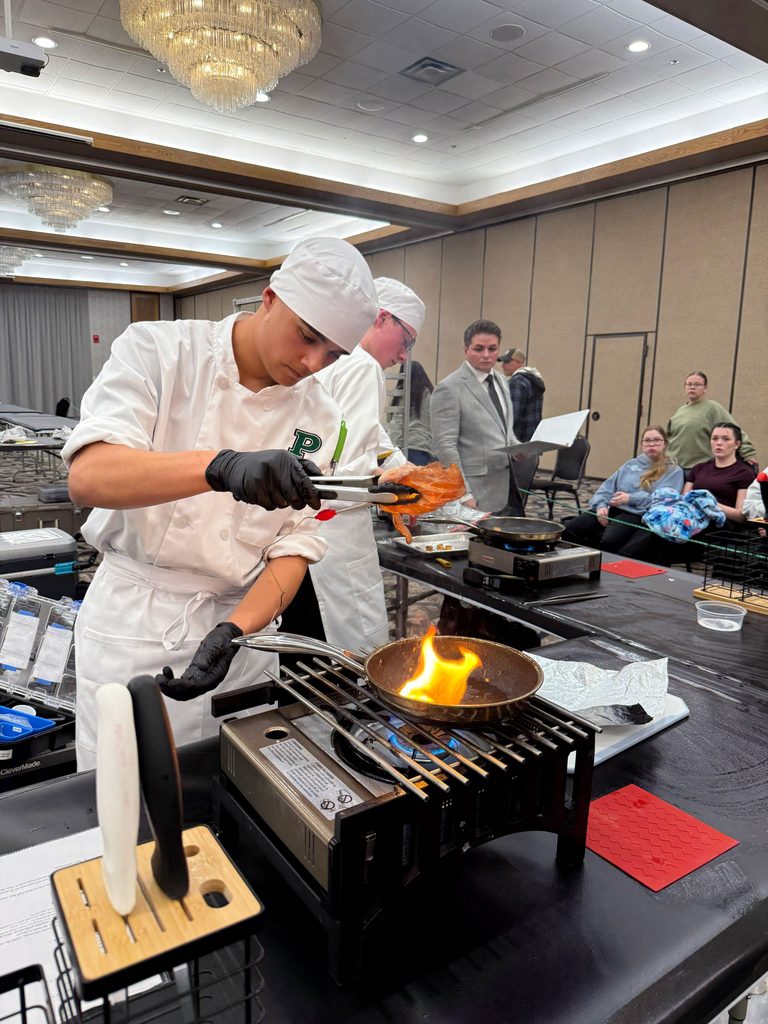
For the 2026‑27 school year, a record 28 high schools in South Dakota have added the ProStart program, a two‑year curriculum that blends culinary instruction with restaurant‑management training. The expansion means more students will gain practical skills and a direct route into the growing food‑service industry.
Program growth across the state
Coordinated by the South Dakota Retailers Association, ProStart now operates in communities ranging from Rapid City to the Pine Ridge Reservation. Participating schools include Rapid City Central, Rapid City Stevens, Sturgis Brown, Hot Springs High School, St. Francis Indian School, and Todd County High School. New entrants this year are Elkton and Lower Brule high schools.
Lower Brule culinary educator Kenneth Sosa reported that 15 students have enrolled at his school, many of whom have family members working in restaurants or food‑truck businesses. “Program growth means more students are being exposed to the career opportunities available in the industry and are receiving hands‑on applicable skills to start a career,” said ProStart State Coordinator Seanna Regynski.
Why the program matters for families and communities
ProStart equips students with certifications in food safety, kitchen operations, and customer service—credentials that can lead to immediate employment after graduation or serve as a foundation for further education. For families seeking stable, well‑paying jobs for their children, the program offers a clear, apprenticeship‑style pathway that aligns with traditional values of hard work and self‑reliance.
Local businesses also benefit. Restaurants and hospitality venues gain a pipeline of trained workers who understand both the culinary craft and the business side of running a dining operation. This partnership strengthens the regional economy and supports the family‑focused ethos of South Dakota communities.
National context
ProStart is a nationally recognized program, currently offered at 2,275 schools across the United States. South Dakota’s rapid expansion places the state among the leading adopters, highlighting the commitment of local educators and industry leaders to prepare the next generation for skilled careers.
As the program continues to grow, officials anticipate that more schools will join in future years, further expanding opportunities for students throughout the state.
Original reporting: KOTA (Gray) – local — read the source article.