Record‑high water on the St. Johns River is inundating communities along Lake Harney and Lake Monroe, creating urgent challenges for Orlando‑area residents who travel through the corridor. The river above Lake Harney has broken its all‑time crest at more than 13 feet, and water levels remain eight inches higher than they were four years ago, according to Seminole County Emergency Manager Alan Harris, who called the event “historic” and unlike anything he has seen in more than 30 years of emergency service work.
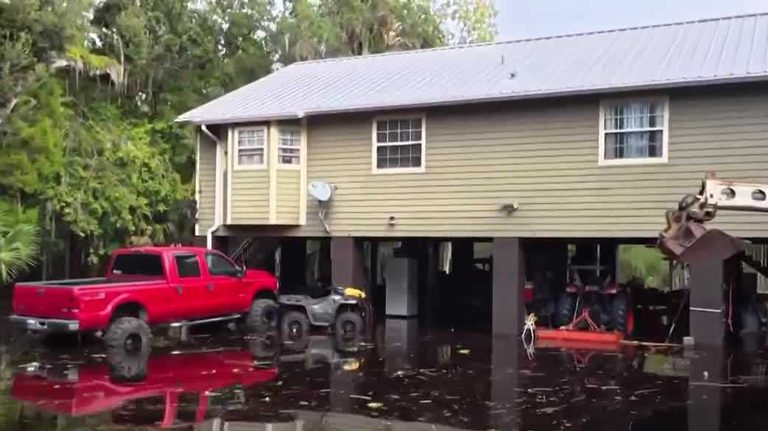
Seminole County officials estimate that nearly 500 homes along the river have been impacted. In the Geneva community, longtime resident Mickey Isler said his house, built on stilts, escaped flooding, but he and his neighbors now reach their homes only by airboat. “I’ve only used it twice, the last two what they call ‘100‑year floods,’” Isler told WESH. In nearby Sanford, residents such as Christopher Cooley are paddling kayaks to bring food and water to their families, while the civil courthouse, Riverwalk, Fort Mellon Park and Lee P. Moore Park remain closed.
Road closures are extensive. State Road 46 near Geneva, Seminole Boulevard along Sanford’s downtown lakefront, and several streets around Marina Isle are shut, with State Road 46 expected to stay closed until at least Dec. 18, Harris said. The Central Florida Zoo announced an indefinite closure because floodwaters have compromised the guest experience, though animals and staff are safe.
Volusia and Lake counties are also feeling the surge. In Astor, Michael Lanoue reported water entering his garage and his dock sitting about two feet underwater. Volusia officials warned that the river could crest early next week, and residents near DeLand have already seen water rise two inches in a matter of hours, threatening electrical boxes.
County emergency managers have opened four distribution sites, including the Rural Heritage Center in Geneva, where tarps, bottled water and mosquito repellent are available. Harris urged residents to photograph damage and gather insurance documents now, before any evacuation, to streamline future assistance.
The flooding has prompted state and federal action. Seminole County has submitted documentation to support Governor Ron DeSantis’ request for a federal disaster declaration covering five Central Florida counties. Harris expressed optimism that the additional information will help FEMA officials on the ground make a favorable determination, noting that the Trump administration’s disaster response resources are poised to assist once approval is granted.
What’s next: Residents should monitor updates on the Seminole County website for road‑closure status and additional distribution sites. The county expects water to recede slowly over four to six weeks, depending on rainfall, and officials will continue to assess damage for potential federal aid.