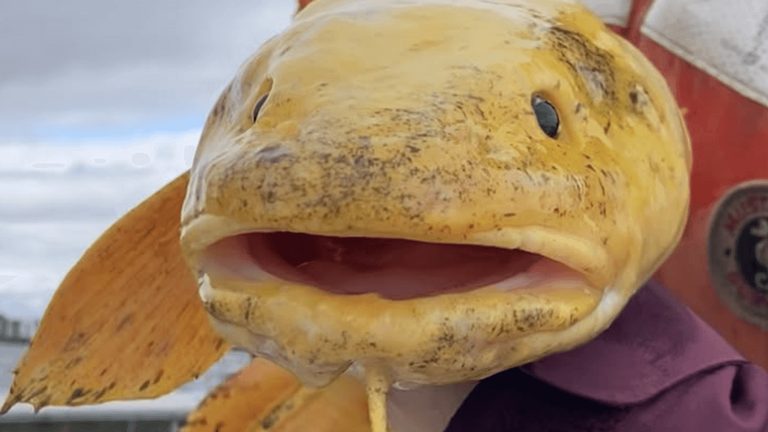
Oswego, N.Y. – While conducting a routine aquatic invasive‑species survey in Oswego Harbor, a crew member of the Lower Great Lakes Fish & Wildlife Conservation Office made an unexpected discovery: a yellow burbot, a fish native to the region but rarely seen in that coloration.
What makes the find unusual?
The burbot (Lota lota) is typically green‑brown, blending with the murky bottom of the Great Lakes. The specimen caught by the biologist displayed a bright yellow hue, likely the result of a rare condition called xanthochromism, which causes excess yellow pigment in the skin and scales. Scientists note that xanthochromism is uncommon in wild fish populations, making this catch a noteworthy biological occurrence.
Why the survey matters
The primary purpose of the survey was to detect and track invasive species that threaten the health of the Great Lakes ecosystem. Invasive organisms such as zebra mussels, round gobies, and Asian carp can outcompete native species, disrupt food webs, and damage local economies that depend on fishing and tourism.
Even though the yellow burbot is not an invasive threat, its discovery underscores the broader value of sustained monitoring programs. Long‑term data collection allows scientists to document biodiversity, spot unusual biological events, and assess overall ecosystem health. The Lower Great Lakes Fish & Wildlife Conservation Office emphasized that such programs provide critical information for resource managers, policymakers, and the public.
Local impact and community relevance
Oswego’s harbor is a hub for commercial shipping, recreational boating, and local fishing. Maintaining a healthy aquatic environment directly supports the city’s economy and the quality of life for families who enjoy the waterfront. Residents can take pride in the fact that federal and state agencies are actively working in their backyard to protect the water they rely on.
Community members interested in learning more about the burbot, invasive‑species monitoring, or ways to support Great Lakes stewardship can follow the Lower Great Lakes Fish & Wildlife Conservation Office’s website, which provides educational resources and updates on ongoing surveys.
Looking ahead
The agency plans to continue its regular surveys throughout the Great Lakes basin, employing both traditional netting techniques and emerging technologies such as environmental DNA sampling. These efforts aim to catch early signs of invasive incursions and to better understand the natural variations within native fish populations, including rare phenomena like the yellow burbot.
By staying vigilant and investing in scientific research, Oswego and the broader Great Lakes region can preserve their rich aquatic heritage for future generations.
Original reporting: CNY Central WSTM (Sinclair) – local — read the source article.