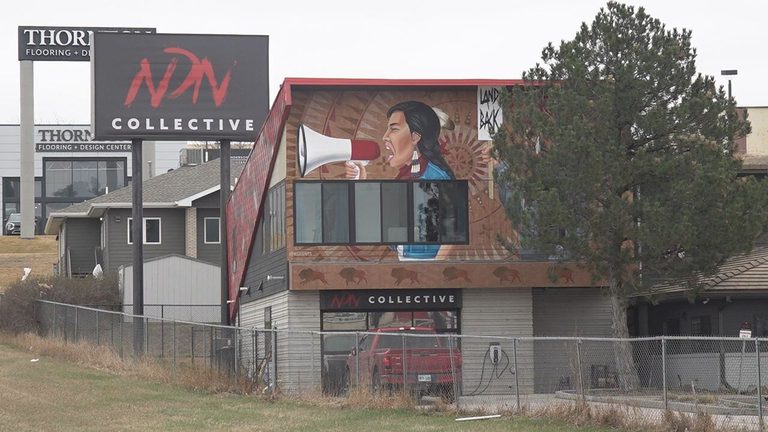
Rapid City – On Wednesday night, the NDN Collective held a virtual briefing to discuss Section 106 of the National Historic Preservation Act and recent legislative proposals that could diminish tribal involvement in protecting sacred sites. The event, streamed to a statewide audience, featured Marilyn Allen, a longtime advocate with the organization, who warned that the changes would effectively bypass tribal consultation.
What Section 106 Protects
Section 106 requires federal agencies to consider the impact of their actions on historic properties, including those sacred to Indigenous nations. The law has been a cornerstone for ensuring that development projects do not erase cultural heritage without meaningful dialogue with the affected tribes.
Proposed Congressional Changes
Lawmakers are reportedly drafting language that would streamline the review process by allowing agencies to move forward without mandatory tribal input when a project is deemed to have “minimal impact.” Critics argue that the language is vague and could be used to sidestep consultation altogether.
Concerns from Tribal Advocates
“They basically wouldn’t even have to talk to tribes; it would just supersede any tribal involvement,” Allen said during the webinar. “That’s really scary because we wouldn’t even have a say in what it means to us as tribal people — or maybe even history lovers of America.” She emphasized that sacred sites are not merely historical footnotes but living places of worship and cultural identity for Indigenous communities across the nation.
Why Tribal Consultation Matters
Preserving sacred sites aligns with the Constitution’s guarantee of religious liberty and the nation’s commitment to honoring the treaties made with Indigenous nations. When tribes are excluded, the risk of irreversible damage to irreplaceable cultural resources rises sharply.
NDN Collective’s Response
The organization pledged to continue lobbying Congress and federal agencies to retain robust tribal consultation requirements. “We will keep pushing for legislation that respects tribal sovereignty and ensures that sacred places are protected for future generations,” the NDN Collective said in a statement released after the webinar.
Local Impact
Rapid City and the surrounding Black Hills region are home to numerous sites of profound spiritual significance to the Lakota, Cheyenne, and other nations. Any weakening of Section 106 could directly affect local projects, from infrastructure upgrades to private development, making the issue highly relevant to residents who value both economic growth and cultural preservation.
Next Steps
Allen urged community members to contact their congressional representatives and voice support for maintaining tribal consultation. “Our voices matter,” she said. “When we stand together, we protect not only our heritage but the moral fabric of this country.”
The NDN Collective plans additional webinars and town‑hall meetings in the coming months to keep the conversation alive and to mobilize grassroots support across South Dakota.
Original reporting: KOTA (Gray) – local — read the source article.