On a Tuesday in late October, the parking lot off Walnut Street near the river was almost empty. A few dog walkers, one guy in waders checking the water level, and a heron standing absolutely still in the shallows. That’s Cecil D. Andrus Park on a weekday — quiet enough that you can hear the current.
Most people who know this park know it mainly as a cut-through or a waypoint on the Greenbelt. It sits along the Boise River on the south side of downtown, tucked between the river and the railroad tracks, and it doesn’t announce itself the way Julia Davis does, with a museum and a zoo and crowds on the lawn. Andrus is smaller, more plainspoken, named after the four-term Idaho governor who also served as Interior Secretary under Carter and spent most of his life working on conservation in the West. That history feels appropriate — the park is itself a piece of preserved riverbank in a city that keeps building toward its edges.
The main draw is the river access. There’s a small sandy beach area where in summer you can watch people launch on floats headed west. In October, the cottonwoods go gold fast, and the light through them on a gray afternoon is the kind of thing you’d normally have to drive an hour for. The ground stays soft after rain, and the paved Greenbelt path runs along the northern edge, which means you can get here on foot or bike from almost anywhere in central Boise.
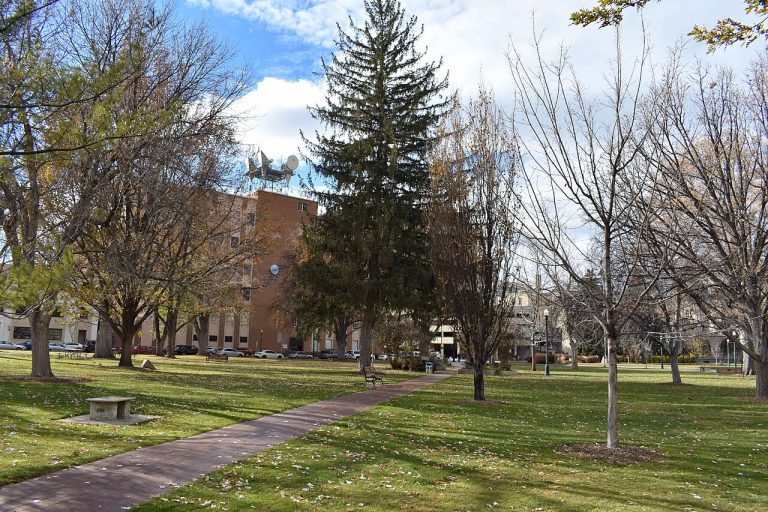
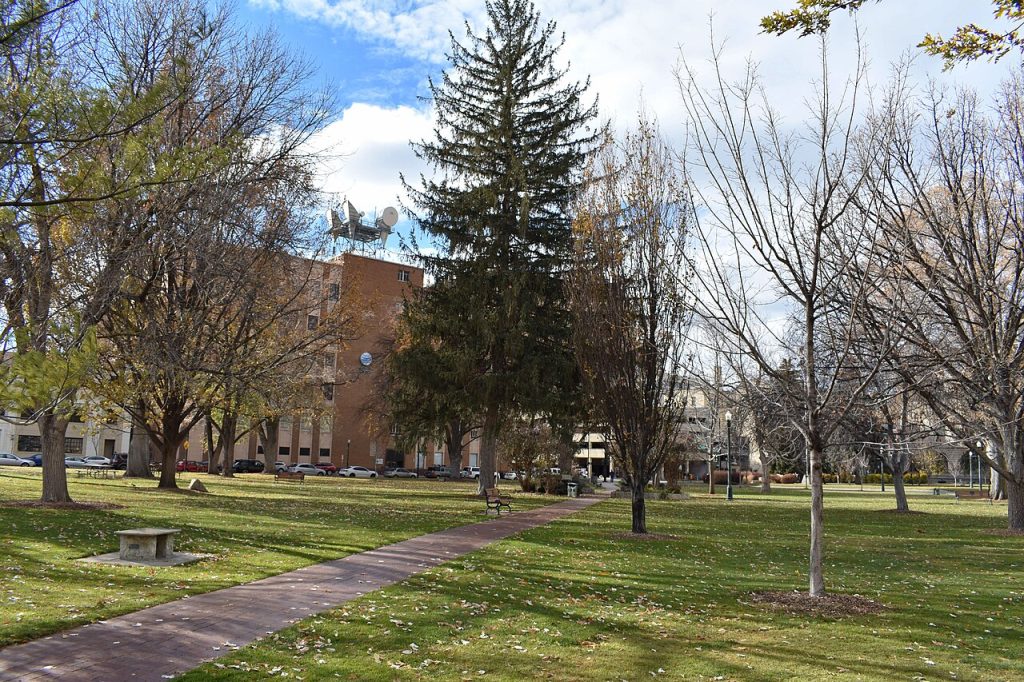
What makes the park genuinely useful is the combination of open lawn, shade cover, and fishing access in one compact stretch. The grassy sections are well-maintained without being manicured — there’s room to throw a frisbee, but it doesn’t feel like a soccer field. The fishing is catch-and-release in designated sections of the Boise River near here, and local anglers treat it as a legitimate spot, not just a beginner’s stop. The heron I watched for about fifteen minutes clearly agreed.
There’s a covered shelter with picnic tables that you can reserve through Boise Parks and Recreation for a small fee — something in the range of $25 to $65 depending on the shelter and date — which makes it a reasonable option for a low-key gathering when you don’t want to fight for space at a more popular venue. The bathrooms are clean, the lighting is adequate, and the whole place is maintained well enough that it doesn’t feel neglected the way some mid-tier city parks do.
It’s worth noting the location. You’re a ten-minute walk from downtown, a short roll from the Greenbelt connection points, and close enough to the Boise River that flood years do affect the lower areas. Parks staff tend to manage closures quickly when the water comes up, so check the city’s parks page if there’s been significant rain or snowmelt upstream.
Admission is free and the park is open daily during daylight hours. It’s the kind of place that earns appreciation slowly — not on a first visit, but on the third or fourth, when you’ve figured out which bench faces west and catches the last of the afternoon light, and you start to think of it as yours.