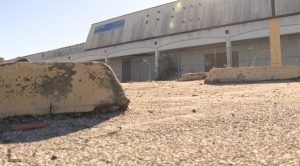
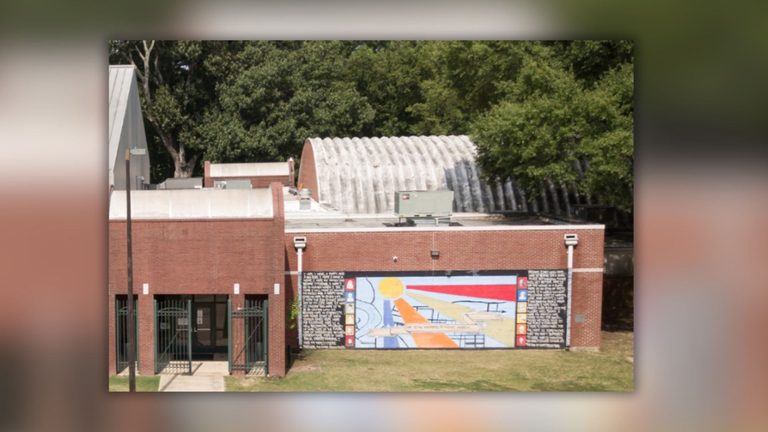
Raleigh city officials, Wake County representatives and a coalition of community partners gathered Wednesday to break ground on the Chapanoke affordable housing community. The new development will add 200 apartments—ranging from one‑ to three‑bedroom units—on land that was previously owned by the public sector.
Targeted income levels and financing
Units will be reserved for families whose incomes fall between 30% and 70% of the Area Median Income (AMI), providing a realistic path to homeownership for many longtime residents of Wake County. Gilbane Development, the project’s lead builder, said the initiative is backed by roughly $93 million in Low‑Income Tax Credit Housing equity, along with a mix of public and private financing.
Collaboration across government and education partners
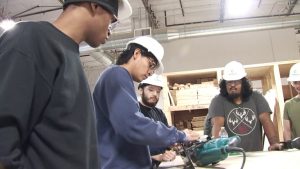
In a press release, Gilbane Development highlighted the years of cooperation among the City of Raleigh, Wake County, Wake Technical Community College, Raleigh Community Partners and several financing entities. The partnership aims to turn former publicly owned land into a lasting community asset that will serve generations of Wake County families.
Addressing the regional housing squeeze
Rapid growth across Wake County has intensified the demand for affordable homes. City leaders have warned that Raleigh needs roughly 70,000 additional housing units to keep pace with population expansion. The Chapanoke project is a direct response to those calls, offering a tangible solution to the widening housing gap.
Recent related actions
Earlier this week, Wake County commissioners approved the first step in a land‑swap arrangement that will allow affordable housing to be built on school property, further expanding the county’s toolkit for addressing the shortage. In March, Governor Roy Cooper toured a newly completed 25‑unit affordable housing complex on Rock Quarry Road, underscoring the administration’s commitment to expanding low‑cost housing options throughout the state.
Timeline and future outlook
If construction proceeds as scheduled, the Chapanoke community is expected to welcome its first residents in 2028. The project not only adds much‑needed housing stock but also demonstrates how coordinated public‑private efforts can produce long‑term benefits for families and neighborhoods.
Community impact
Local advocates see the development as a model for future projects that balance growth with affordability. By preserving land for residential use and leveraging tax‑credit financing, the initiative aligns with Raleigh’s broader goals of fostering stable, family‑friendly neighborhoods while supporting economic vitality.
Original reporting: WRAL Raleigh — read the source article.