Residents of Wake and Durham counties saw a modest but meaningful rise in water levels after a coastal storm dumped several inches of rain across the region earlier this week. According to the U.S. Geological Survey, Falls Lake – the primary reservoir for the City of Raleigh – rose roughly one foot between Wednesday and Friday evening.
Local water supplies see a short‑term lift
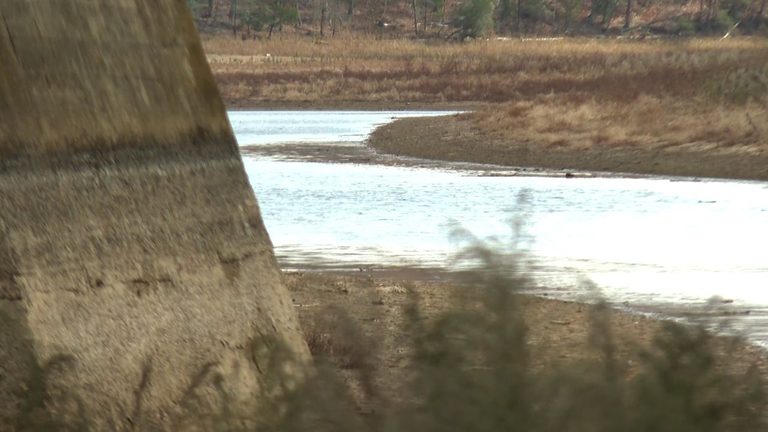
The City of Raleigh’s latest update shows the current water supply pool at Falls Lake sitting at 59 percent of capacity. While still below optimal levels, the recent rainfall helped “stop the bleeding,” said local nature photographer Jeremy Gilchrist, who captured images of the lake’s shoreline before the storm. “I know we have a long way to go, but it definitely stopped the bleeding and was definitely a benefit, so I was happy to see the rain,” Gilchrist told WRAL.
Gilchrist’s photographs, taken just days before the storm, revealed extensive stretches of dry shoreline where water normally lingers. “I saw a few pictures leading up to going out there, but when you actually get there, it’s definitely a lot more dramatic in person than I anticipated,” he added.
Durham’s drinking water source still low
Lake Michie, one of Durham’s key drinking‑water reservoirs, remains well below capacity. City officials report the lake is still about 14 feet short of its full level, keeping Durham under Stage 2 mandatory water restrictions as the community works to recover from prolonged low water levels. As of November 24, Durham’s water‑supply calculations indicate the city has roughly 74 days of easily accessible water remaining.
Experts stress need for more rain
WRAL meteorologist Elizabeth Gardner warned that while the recent storm provided a short‑term boost, the region will need substantially more precipitation to fully address the drought. “We’re still going to need 10‑12 inches of rain in a month’s time. It’s hard to get that much rain in a month’s time. It is sort of a benchmark to say this is how far behind we are,” Gardner explained.
Gardner also noted that a strong El Niño pattern is currently influencing weather across the Southeast, increasing the likelihood of additional storm systems similar to the one that arrived on Thanksgiving Day.
What residents can do
Local officials continue to urge residents to conserve water where possible, especially as the region remains under Stage 2 restrictions. Simple steps such as fixing leaky faucets, using efficient irrigation practices, and limiting outdoor water use can help stretch the existing supply while the community awaits more consistent rainfall.
City and county water‑management teams will monitor reservoir levels closely over the coming weeks, providing updates as conditions evolve. For now, the recent rain offers a modest reprieve and a reminder that nature’s timing can be a critical ally in the ongoing effort to safeguard the region’s water resources.
Original reporting: WRAL Raleigh — read the source article.