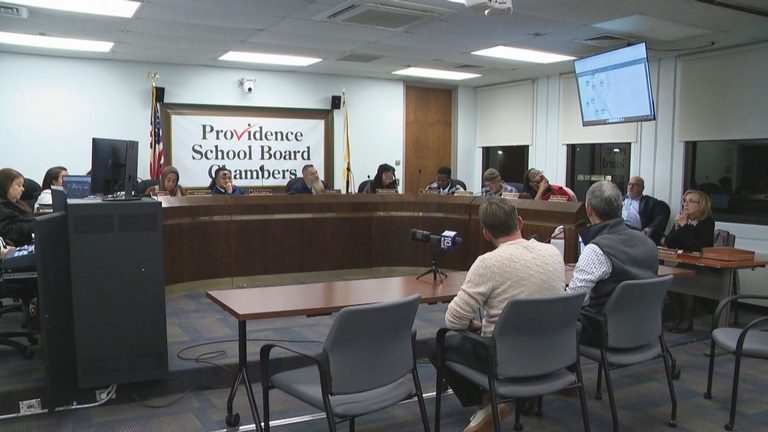
The Providence School Board is set to hold a decisive vote on Wednesday night regarding the possible removal of its president, Ty’Relle Stephens. The 23‑year‑old who assumed the role last year faces a challenge after the state’s Education Commissioner, Angélica Infante‑Green, ruled that he illegally prevented board members from bringing a removal motion to the agenda.
Background to the dispute
Board members have been at odds for weeks, with a chaotic meeting last month highlighting deep divisions. At least six trustees have publicly called for Stephens’ ouster, accusing him of neglecting his duties. Stephens initially refused to place the removal vote on the agenda, asserting his right to serve the full one‑year term to which he was elected.
State intervention
Vice President Anjel Newmann filed a formal complaint with the Rhode Island Department of Education after Stephens blocked the vote. In response, Commissioner Infante‑Green issued a ruling stating that board presidents serve at the pleasure of their colleagues and may be removed before their term ends. The commissioner concluded that Stephens had violated state law by obstructing the board’s ability to consider his removal.
Board’s next steps
Following the commissioner’s decision, the board met behind closed doors to discuss the matter before the public session. City officials have already appealed the state ruling, indicating that the legal battle may continue regardless of the board’s internal vote.
Community reaction
Parents, teachers, and students have expressed concern about the ongoing leadership turmoil, fearing it could distract from the district’s primary mission—educating children. Stephens defended his record, arguing that the board should focus on student outcomes rather than internal power struggles.
Implications for local governance
This episode underscores the importance of clear governance structures within school districts, especially now that Providence schools have recently returned to local control after years of state oversight. The outcome of Wednesday’s vote will set a precedent for how board leadership disputes are handled in the future and may influence how other Rhode Island districts manage similar conflicts.
Regardless of the vote’s result, the board’s handling of the situation will be closely watched by families and educators who seek stability and effective leadership for their schools.
Original reporting: NBC 10 WJAR (Sinclair) – local — read the source article.