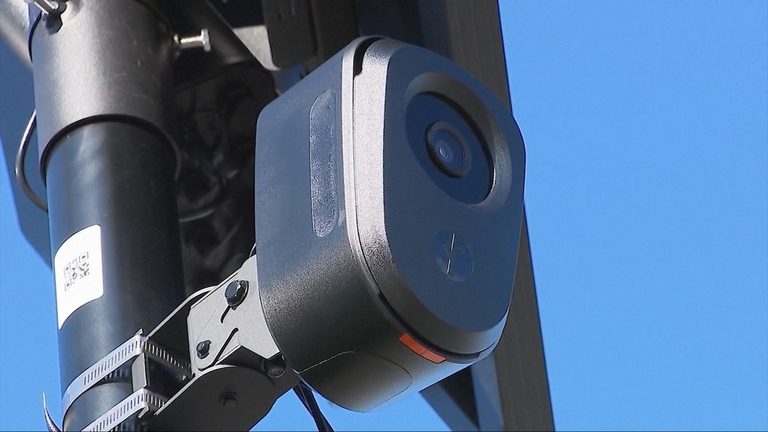
On Thursday night the Providence City Council held a public hearing that lasted more than two hours, hearing testimony from residents on both sides of the debate over the city’s fleet of 60 Flock automated license‑plate readers. Council members are now considering an ordinance that would prohibit the city from using the devices and would bar any municipal agency from accessing the data they collect.
Mayor and police chief argue for continued use
Mayor Brett Smiley publicly opposed the proposed ban, saying the technology helps law‑enforcement quickly identify stolen vehicles, locate missing persons, and deter criminal activity. Chief Oscar Perez echoed the mayor’s stance, noting that the cameras have been instrumental in several recent investigations and that turning them off would remove a proven tool from the department’s toolbox.
Residents voice privacy concerns
Opponents at the hearing warned that the cameras constitute an invasion of privacy, capturing the movements of law‑abiding citizens without a warrant. They argued that the data could be misused or retained longer than necessary, eroding trust between the community and police.
Councilors asked both sides to clarify how long the data is stored, who can request access, and what safeguards are in place to prevent abuse. The ordinance under discussion would not only ban the cameras but also require the destruction of any existing records.
New Bedford follows a similar path
Across the state, New Bedford’s City Council recently passed a resolution to ban the same technology. However, Mayor Jon Mitchell signaled his intention to veto the measure. Instead of a total ban, the mayor plans to introduce an ordinance that would restrict the cameras’ use—limiting data access and setting stricter retention policies—while keeping the devices operational for critical investigations.
Mayor Mitchell told council members that a balanced approach protects public safety without sacrificing the privacy rights of residents. He expects to present his amendment at the next council meeting.
What this means for local governance
Both cities are navigating a classic tension between security and liberty. The outcomes of these hearings will set precedents for how municipalities in Rhode Island handle emerging surveillance technologies. If Providence adopts the ban, it could influence neighboring towns to reevaluate their own programs. Conversely, New Bedford’s proposed restrictions may serve as a model for a middle‑ground solution that respects constitutional freedoms while preserving law‑enforcement capabilities.
Citizens are encouraged to stay informed and participate in upcoming council meetings, where final votes on the ordinances are expected in the coming weeks.
Original reporting: NBC 10 WJAR (Sinclair) – local — read the source article.