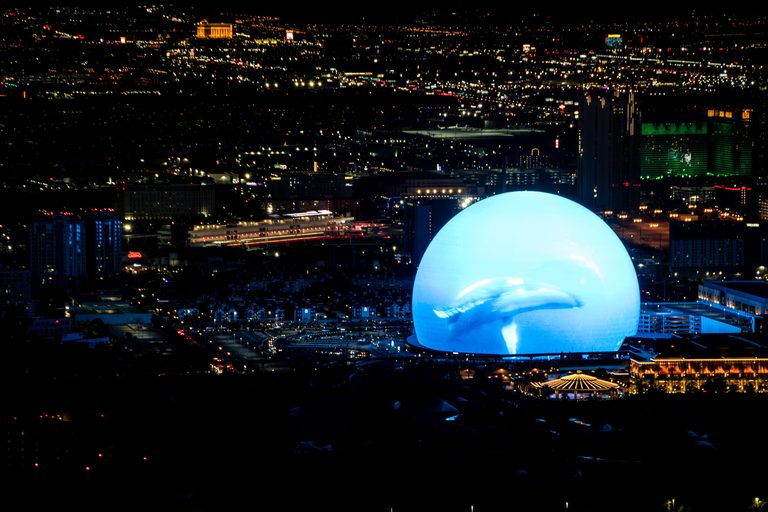
Prince George’s County Council moved a major piece of the Maryland entertainment puzzle forward this week. In a unanimous 7‑0 vote, the council approved $215 million in tax‑increment financing (TIF) to help build a 6,000‑seat, globe‑shaped venue – the Maryland Sphere – slated for a site about 44 miles south of downtown Baltimore along the Potomac River.
Financing structure and expected returns
The TIF package will borrow against future tax revenues that the Sphere is projected to generate. County officials plan to repay the bonds using designated National Harbor tax receipts, including property‑tax growth from higher assessed values. Of the bond proceeds, $130 million is earmarked for the construction of the globe theater itself, while the remaining funds will refinance existing county debt.
County Executive Aisha Braveboy highlighted the strategic timing, noting that the venue could help offset the anticipated loss of tax revenue when the Washington Commanders relocate and Six Flags closes. “The decision to go after Sphere, to work to bring it to Prince George’s County, will more than triple the tax revenue we are losing with the Commanders leaving in a few years and the closure of Six Flags. This is amazing,” Braveboy said.
Labor and community safeguards
Labor leaders welcomed language that protects hospitality and service workers’ right to organize at the venue. Paul Schwalb, executive secretary‑treasurer of UNITE HERE Local 25, praised the “labor peace” provision that bars employer interference in exchange for a pledge not to strike. However, Schwalb expressed disappointment that the council did not adopt a full Project Labor Agreement to safeguard construction jobs, urging that publicly financed projects protect all workers.
To address neighborhood concerns, the council also approved a community impact fund. The fund will receive 15 percent of qualifying county revenues generated by the Sphere – drawn from admissions, amusement taxes and a share of real‑estate taxes not already pledged for the TIF bonds. Half of the fund will support community programs and services; the other half will finance infrastructure and capital improvements in neighborhoods within a six‑mile radius of the venue.
Local business participation goals
The resolution includes goals for small and minority‑owned businesses. Sphere Entertainment Co. has agreed to direct at least 50 percent of eligible construction spending to county‑based small businesses, with a best‑effort target of 40 percent to minority‑owned firms and 45 percent of construction work hours to county residents.
Opposition and questions
Not everyone is convinced. Christopher Goins, a county resident, criticized an Ernst & Young economic analysis that projected construction employment, urging the council to scrutinize the “sales pitch” and examine the balance sheet before creating a future tax burden.
Cheverly resident Dan Smith questioned the prioritization of National Harbor over unfinished county infrastructure, noting that the area already enjoys substantial public support.
Political backing
Councilmember Jolene Ivey championed the Sphere as a diversification tool for the county’s tax base, reducing reliance on residential property taxes. She pointed to the thriving technology sector around the University of Maryland as another avenue for broadening revenue sources.
With the financing secured, the project moves from concept to construction, setting the stage for what could become a landmark entertainment destination for the Baltimore region.
Original reporting: Baltimore Fishbowl — read the source article.