President Donald Trump announced on Sunday an “energy cease‑fire” between Russia and Ukraine, declaring that both sides must immediately stop targeting each other’s energy infrastructure. The surprise declaration was made on social media, where Trump wrote, “Effective immediately, there is an ENERGY CEASEFIRE in the War between Russia and Ukraine. Both parties have agreed. Do not break it!”
Ukrainian leader says Russia has already broken the deal
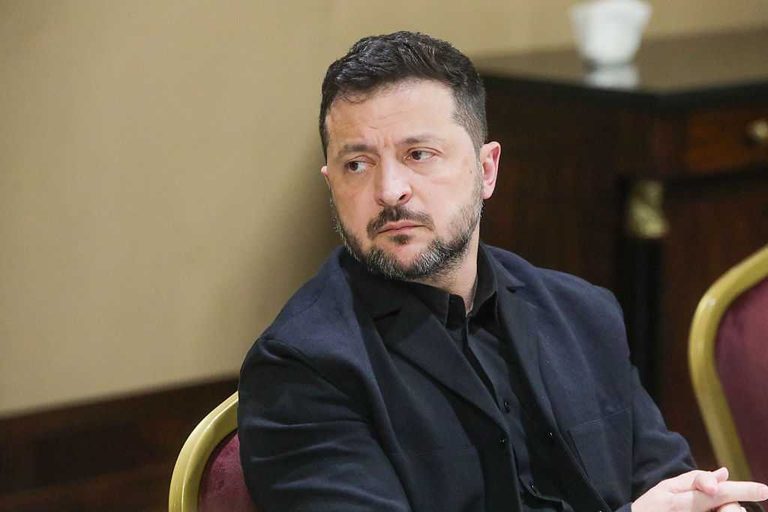
Ukrainian President Volodymyr Zelenskyy told the Warsaw Security Forum on Monday that Russia had already launched a targeted strike on a power plant in Kharkiv, causing further damage to Ukraine’s energy system. Zelenskyy said the attack came shortly after Trump’s announcement and that Kyiv would honor the cease‑fire if Moscow does the same.
“We agree if they agree, and we have already shown that we mean it,” Zelenskyy said. “Last night, Russian oil refineries were not burning, but at midnight a Russian jet‑powered Shahed struck a gas production facility in Ukraine.” He added that Ukraine remains committed to de‑escalation and the protection of civilian lives.
Trump administration’s response
The White House has not yet released a detailed statement, but officials have indicated that the United States expects Russia to honor the agreement. The administration’s stance reflects President Trump’s broader effort to use diplomatic tools to reduce civilian suffering while maintaining a firm posture against Russian aggression.
Critics in Congress, including seven senators—four of them Republicans—have warned that the diesel import deal announced alongside the cease‑fire violates the 2022 law that bans Russian energy imports. Their statement reads, “Congress explicitly banned Russian energy imports in 2022 to prevent American dollars from financing Putin’s brutal war against Ukraine.” The senators argue that allowing Russian diesel into U.S. markets runs counter to that law.
Trump’s broader energy strategy
President Trump’s decision to allow limited Russian diesel imports is part of a controversial strategy aimed at stabilizing global fuel markets while pressuring Russia to negotiate. The administration argues that controlled imports can be used as leverage to secure concessions on the cease‑fire and broader peace talks.
In response to the senators’ criticism, the administration has emphasized that the diesel imports are strictly regulated and intended to benefit American consumers, not to fund the war. President Trump has also suggested that Ukraine consider new leadership if it cannot align with the cease‑fire, a comment that Zelenskyy dismissed as unrealistic given the ongoing attacks.
What’s next?
The Kremlin’s spokesperson Dmitry Peskov said contacts are ongoing but offered no specifics on compliance. Zelenskyy posted on X that Ukraine is awaiting further details from the United States and will continue to support any genuine de‑escalation steps.
Both leaders have called for an end to attacks on civilian energy infrastructure, a key target since the invasion began in 2022. As the situation develops, the Trump administration is expected to monitor Russian actions closely and enforce consequences if the cease‑fire is repeatedly violated.
Original reporting: WLWT Cincinnati — read the source article.