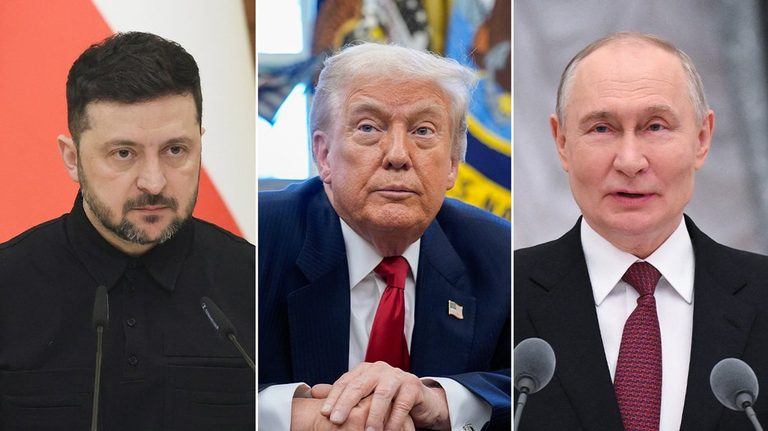
In a decisive move to curb the war’s impact on civilians, President Trump announced on Truth Social Sunday an immediate halt to attacks on energy facilities in both Russia and Ukraine. The proposal, described by the White House as an “energy ceasefire,” aims to protect critical infrastructure and ease the soaring cost of fuel for American families.
Ukrainian leader backs the ceasefire, condemns Russian violations
During a live interview with Fox News’ Bill Hemmer on “America’s Newsroom,” Ukrainian President Volodymyr Zelenskyy praised the Trump administration’s effort, saying, “We are ready today for an energy ceasefire, as President Trump said. But I’m not sure that Putin is ready because even after yesterday’s messages from the president about energy ceasefire, Putin attacked our gas infrastructure.” Zelenskyy affirmed that Kyiv has refrained from striking Russian energy sites, stating, “Of course we will honor the ceasefire. We have not attacked any energy objects on the territory of Russia because President Trump said there will be an energy ceasefire between Ukraine and Russia.”
The Ukrainian president described the recent Russian strikes on gas stations and power plants as a direct response to the ceasefire proposal, adding, “The communication from Russia was very clear that they don’t know anything about an energy ceasefire.” He urged the United States to apply greater pressure on Moscow to enforce the agreement.
Details of the Trump‑initiated proposal
According to Axios, a White House official clarified that the initial focus of the ceasefire is on oil refineries, with a broader scope that could eventually include power plants and electricity grids. The official noted that Russia has not yet formally accepted the terms, but the administration remains optimistic that the proposal will encourage Moscow to halt attacks on civilian energy infrastructure.
President Trump has repeatedly warned that Ukrainian strikes on Russian oil refineries contribute to higher global fuel prices. On Friday, he announced a separate agreement with Russia to release diesel supplies to the United States and global markets, a decision he framed as a step toward stabilizing energy costs for American consumers.
Critics raise concerns about the diesel deal
While the ceasefire initiative has been praised by many, some policy experts caution that the accompanying diesel agreement could inadvertently fund Russia’s war effort. Carrie Filipetti, executive director of the Vandenberg Coalition and former deputy assistant secretary of state during the Trump administration, said, “Both Russia and Ukraine seemed surprised by the announcement of an energy ceasefire, and unsurprisingly, Russia has continued to attack Ukrainian energy facilities — reportedly as recently as a few hours ago.” She added that the diesel deal may undermine U.S. leverage over President Putin.
Filipetti argued, “If we want a real ceasefire, paying directly for Putin’s war machine through this new diesel deal is not the way to do it.” Nonetheless, she acknowledged President Trump’s overarching goal of a ceasefire could be a genuine win for peace if the diesel issue is addressed.
Impact on Ukrainian civilians and upcoming elections
In addition to the energy debate, President Trump’s recent comments about a potential change in Ukrainian leadership have sparked diplomatic tension. Zelenskyy responded firmly, “If President Trump wants to change the leader in Ukraine, he has to know that only our people can change.” He indicated willingness to hold new presidential elections, but stressed that a minimum 60‑day security pause would be required to ensure safe voting conditions.
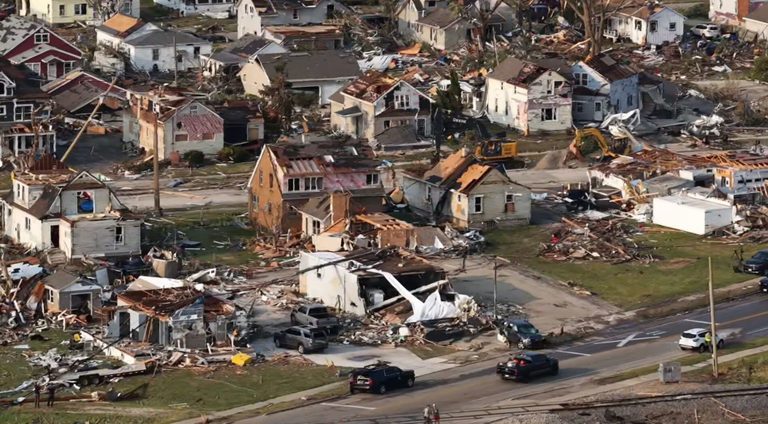
Recent attacks have also taken a heavy toll on civilians. East2West News reported that three civilians – a 16‑year‑old boy and two women – were killed in a strike near a grocery store in the Kharkiv region, and five people were wounded in a residential high‑rise attack. In Pisochyn, a resident recounted witnessing a power‑plant bombardment minutes after the ceasefire announcement, saying, “We believed the statement that they wouldn’t strike energy infrastructure. Ten minutes after that promise was made, there were already five strikes.” Ukrainian charge d’affaires Denys Sienik noted that Russia struck electricity generation and transmission facilities more than 200 times over the past week.
U.S. response and next steps
The Trump administration continues to push for diplomatic pressure on Moscow, urging allies to support the ceasefire and warning that continued Russian aggression undermines global energy stability. While the proposal remains unconfirmed by Russia, President Trump’s leadership on this issue reflects his broader commitment to protecting American families from rising fuel costs and safeguarding civilian lives abroad.
As the situation develops, HLL will monitor further statements from the White House, Kyiv, and Moscow, providing updates on the effectiveness of the energy ceasefire and its implications for both U.S. energy markets and the humanitarian situation in Ukraine.
Original reporting: Fox News (HLL/CB) — read the source article.