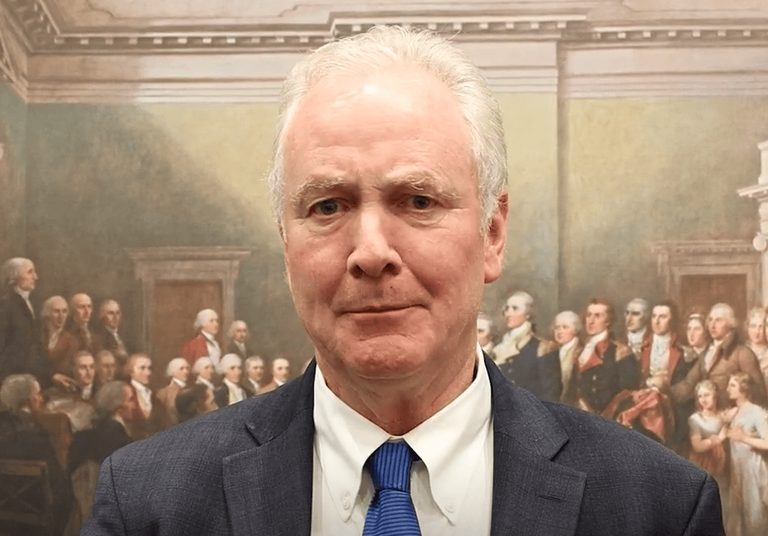
During a press briefing on Monday, Sen. Chris Van Hollen (D-Maryland) accused President Trump of engineering the return of Nvidia CEO Jensen Huang, calling it “exhibit A” of political corruption within the administration’s AI policy. Van Hollen argued that the decision could jeopardize national security by facilitating the export of high‑end chips to China.
Administration’s rationale
President Trump responded directly, stating he personally advocated for Nvidia’s board to bring Huang back and that he provided “assurance on the national security threat.” In an interview with CNBC, Trump said, “And I convinced them. I made the deal,” emphasizing that the administration believes the move safeguards U.S. interests by ensuring Nvidia’s leadership remains focused on American innovation.
Senator’s allegations
Van Hollen highlighted recent controversy surrounding Huang’s resignation, which followed reports of an alleged affair with Alice Huang, a woman under investigation for purportedly smuggling Nvidia chips to China in violation of export controls. The senator claimed the Trump administration is simultaneously urging stricter AI development controls at home while allegedly facilitating China’s access to advanced chip technology.
Policy context
The debate comes as the administration pushes to accelerate domestic AI development, arguing that U.S. leadership is essential to counter China’s growing capabilities. Van Hollen countered that the administration’s actions are “completely hypocritical,” suggesting that policy should focus on limiting chip exports rather than expanding them.
Legislative proposals
Van Hollen, who is seeking the Senate majority leader position, called for a joint committee to examine AI impacts, likening it to post‑World War II efforts on affordable housing. He also referenced his Power for the People Act, which aims to prevent data‑center costs from being passed to consumers, and urged penalties for AI companies that develop potentially dangerous technology.
Administration’s response to criticism
President Trump’s team maintains that the reinstatement of Jensen Huang is a strategic decision to keep Nvidia’s cutting‑edge AI work under U.S. oversight. By ensuring the CEO’s return, the administration argues it can better monitor export practices and protect American intellectual property.
Looking ahead
The dispute underscores a broader partisan divide over how to balance AI innovation with national security. While Democrats in the Senate push for tighter oversight and bipartisan legislation, the Trump administration continues to promote policies it says will keep the United States at the forefront of AI development.
Original reporting: Baltimore Fishbowl — read the source article.