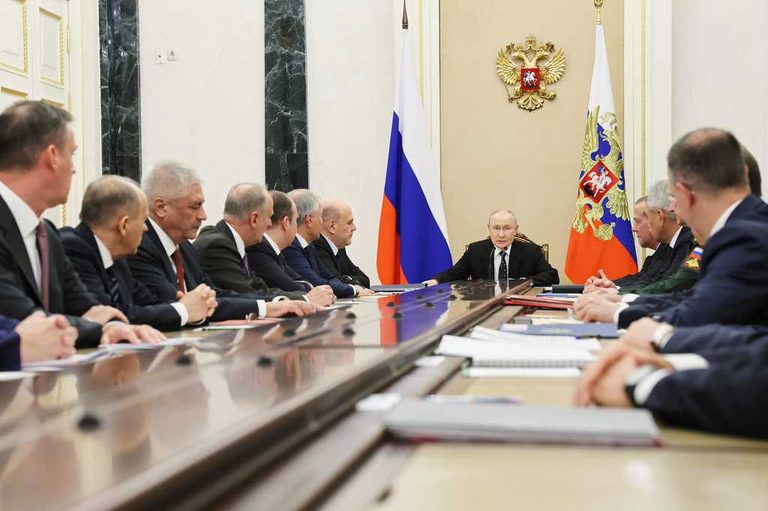
In a high‑profile diplomatic effort, the United States opened a three‑way negotiation in Abu Dhabi on Tuesday, bringing together senior representatives from Russia, Ukraine and the White House. The two‑day session, the first since February, is part of President Trump’s renewed push to end the conflict that began with Russia’s full‑scale invasion nearly five years ago.
U.S. envoys lead the talks
President Trump’s son‑in‑law, Jared Kushner, announced on X that he and fellow envoy Steve Witkoff are working toward a “negotiated solution that can deliver lasting peace and create the conditions for a sovereign, secure, and prosperous Ukraine within a more stable European security environment.” Kushner emphasized that a broader European security framework will be discussed alongside the Ukraine settlement.
Russian and Ukrainian positions
Russia’s delegation, headed by Vladimir Medinsky, described its team as “bigger and more professional” and expressed hope that the talks would move both peoples toward peace. President Vladimir Putin continues to demand that Ukraine withdraw forces from the four regions Moscow annexed in September 2022—Donetsk, Luhansk, Zaporizhzhia and Kherson—and that Kyiv abandon its bid to join NATO, accept strict limits on its military, and lift restrictions on the Russian language and the Moscow‑affiliated Orthodox Church.
Ukrainian President Volodymyr Zelenskyy, speaking from a visit to Denmark, rejected any voluntary cession of territory that Russia has not captured on the battlefield. He also refused limits on Ukraine’s military or its Western security guarantees, insisting that an immediate ceasefire is the first step toward a broader settlement and that a direct meeting between President Putin and President Zelenskyy is essential to resolve territorial issues.
Military backdrop
The negotiations occurred amid renewed long‑range strikes from both sides. Russia launched 162 drones and a ballistic missile at Ukraine overnight, according to Ukraine’s air force. In response, Russia’s Ministry of Defense reported shooting down 155 Ukrainian drones over eight Russian regions and the Crimean Peninsula.
Broader security agenda
President Trump recently described a forthcoming “big agreement” on European security that will extend beyond Ukraine. Russian Foreign Minister Sergey Lavrov welcomed the U.S. negotiators, saying they would place collective security at the top of the agenda. The United States hopes the Abu Dhabi talks will set the stage for direct engagement between Russia and European partners on wider security arrangements.
International involvement
In addition to the U.S. envoys, the Ukrainian delegation was joined by representatives from the United Kingdom, France, Germany, Italy, NATO and the European Commission. While some EU officials view Washington’s proposals as overly accommodating to Moscow, Russia has indicated that European representatives may join the talks at a later stage.
Outlook
Past rounds of negotiations earlier this year produced no significant breakthroughs, and the front lines remain deadlocked. Nonetheless, the Trump administration’s active diplomatic engagement and its emphasis on a comprehensive security framework signal a continued commitment to ending the war and restoring stability to Europe.
Original reporting: WESH Orlando — read the source article.