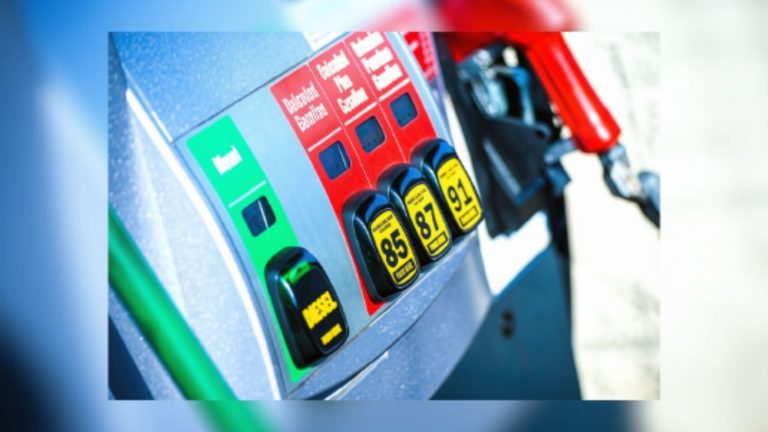
North Texas drivers felt the sting of higher pump prices on Friday, paying roughly $55 for a 15‑gallon tank – an increase of about $16 compared with the same time last year. Regular gasoline averaged $3.69 per gallon in Dallas and $3.70 in Fort Worth‑Arlington, up more than 40 % from the $2.60‑$2.59 range recorded a year earlier, according to AAA data.
Trump administration’s response
President Trump announced on Thursday, October 22, a $150 million federal investment to expand American refining capacity. The Department of Energy will use Defense Production Act Title III authority to support petroleum production, storage and refinery logistics, labeling the projects as essential to national defense. The funding will be drawn from the $1 billion in energy‑project money that Congress earmarked for critical national‑security initiatives.
While the Energy Department has not yet identified specific refineries or a timeline for when additional output will reach consumers, officials say the projects are expected to increase domestic output of gasoline, diesel, jet fuel and other petroleum products by millions of gallons per day.
Local impact on families and businesses
For North Texas families, the higher price translates into a noticeable budget hit. A 15‑gallon fill‑up now costs about $55.34, compared with $39.07 a year ago – a $16.27 difference. A driver who fills up four times a month would spend roughly $65 more than last year. Larger tanks feel the pinch even more; a 20‑gallon purchase now runs about $73.78 versus $52.09 a year earlier, an increase of $21.69.
Businesses that rely on trucks – from food distributors to construction suppliers – also face higher operating costs. Freight companies may seek to recover some of the added expense through rate adjustments, although the rise in diesel prices does not automatically translate into higher retail prices for every product.
Why the plan matters for Texas
Texas has long been a hub of American energy production, and expanding refining capacity aligns with the state’s tradition of energy independence. By increasing domestic supply, the Trump administration hopes to reduce reliance on volatile global markets and bring down pump prices over time. The initiative reflects a broader strategy to keep American families and businesses insulated from foreign supply shocks.
Local leaders have welcomed the effort. A spokesperson for the Texas Oil & Gas Association noted that “investing in refining infrastructure is a proven way to stabilize prices and protect consumers.” The administration’s emphasis on national‑security‑related energy projects also underscores the importance of a resilient fuel supply for both civilian and defense needs.
What’s next?
The Energy Department says project selection is ongoing. While specific refineries have not yet been named, the administration expects the added capacity to begin easing pressure on gasoline and diesel markets in the coming months. Texas drivers and businesses are encouraged to monitor upcoming announcements for details on which facilities will receive funding and when the benefits are likely to be felt at the pump.
In the meantime, consumers can continue to compare prices, consider fuel‑efficient driving habits, and stay informed about federal efforts to bolster domestic energy production.
Original reporting: The Dallas Express — read the source article.