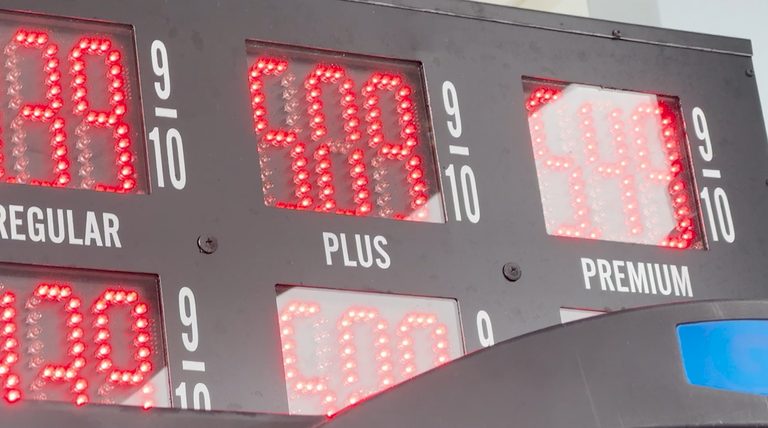
When El Paso motorists see pump labels like “Plus” or “Supreme,” they often wonder if the higher price translates into better performance. Consumer Reports recently put that question to the test, focusing on two sport‑utility vehicles that suggest—but do not require—premium gasoline.
Test methodology
At a controlled test track, the magazine measured acceleration and fuel consumption on both 87‑octane (regular) and 93‑octane (premium) fuel. The vehicles were driven under identical conditions while an inline fuel‑consumption meter recorded real‑time usage.
Findings
The results were clear: for cars that do not mandate premium fuel, there was no measurable difference in acceleration, fuel economy or overall driving feel. Test drivers reported that the SUVs sounded and handled the same regardless of the octane rating.
Consumer Reports concluded that regular gasoline is perfectly adequate for the majority of drivers, even when a vehicle’s owner’s manual lists premium as a recommendation. Choosing the cheaper option can save up to a dollar per gallon without compromising performance.
What about engine health?
While premium fuel may not boost power, the report highlighted the benefits of using “Top Tier” gasoline—available at stations such as Chevron, Costco, Exxon, Mobil and Shell. Top Tier fuels contain higher levels of detergents that help prevent carbon buildup, potentially extending engine life.
For El Paso residents, the practical takeaway is simple: unless your vehicle’s warranty explicitly requires premium fuel, stick with regular gasoline and consider Top Tier brands for added engine protection.
Original reporting: El Paso News (HLL/CB) — read the source article.