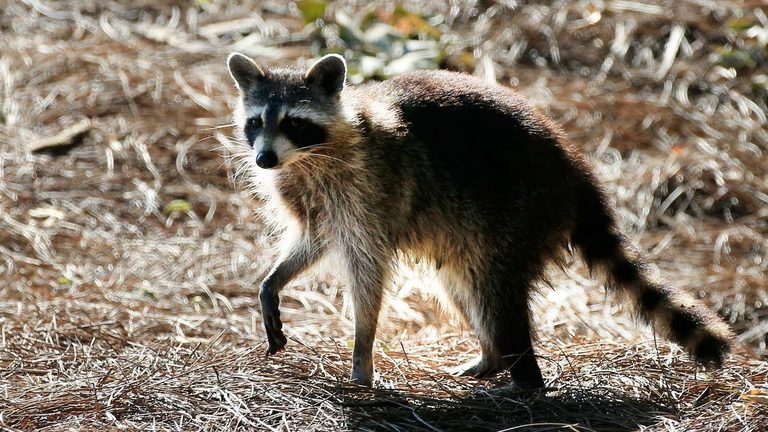
Portsmouth, RI – Health officials with the Rhode Island Department of Health confirmed Tuesday that a local resident who was bitten by a raccoon in the South Drive neighborhood has started a rabies post‑exposure prophylaxis series. The treatment, which consists of a series of injections over several weeks, is intended to prevent the potentially fatal disease after possible exposure.
Rabies cases on the rise in Rhode Island
According to the department, more than 45 rabid animals have been identified in Rhode Island so far in 2026. That figure is well above the five‑year average of 25 cases per year recorded from 2021 through 2025. The majority of the confirmed animals are raccoons, bats, and skunks, but a cat, a coyote, and a woodchuck have also tested positive this year.
What residents should do if exposed
Anyone who believes they may have had direct contact with a raccoon—or any other wildlife that could carry rabies—in the South Drive area or elsewhere in the state should contact the Department of Health immediately. The department’s hotline is 401‑222‑2577 during regular business hours (8:30 a.m. to 4:30 p.m.) and 401‑276‑8046 after hours.
Rhode Island law requires that dogs, cats, and ferrets be up to date on rabies vaccinations. Pet owners are urged to verify that their animals’ shots are current, as vaccinated pets are far less likely to contract or transmit the virus.
Understanding rabies prevention
Rabies is a viral disease that attacks the nervous system and is almost always fatal once symptoms appear. Prompt medical care after a potential exposure is critical. The standard post‑exposure prophylaxis regimen includes a dose of human rabies immune globulin (HRIG) and a series of four rabies vaccine injections given on days 0, 3, 7, and 14.
Health officials stress that the treatment is safe and highly effective when administered correctly. The resident who was bitten is expected to complete the full series and will be monitored for any adverse reactions.
Public‑health resources
For more information about rabies, vaccination requirements, and how to report wildlife encounters, residents can visit the Rhode Island Department of Health’s rabies information page. The site provides detailed guidance on recognizing signs of rabies in animals, steps to take after a bite, and locations of nearby veterinary clinics that offer rabies vaccinations.
Community members are encouraged to remain vigilant, avoid handling wild animals, and report any suspicious wildlife to local animal control. By staying informed and acting quickly, residents can help keep the spread of rabies under control and protect public health.
Original reporting: NBC 10 WJAR (Sinclair) – local — read the source article.