Portsmouth, OH – City Council members approved a proposal that would establish a dedicated program to identify and remediate properties suspected of contamination, commonly known as brownfields. The measure, which now heads to the city manager for final review, includes a companion ordinance that places the former Buckeye Sciotoville Terminal at the forefront of cleanup efforts.
Why the ordinance matters
Brownfields are parcels where redevelopment is hindered by the presence—or potential presence—of hazardous substances, pollutants, or other contamination, according to the U.S. Environmental Protection Agency. By formally recognizing these sites, Portsmouth can tap into federal grant programs designed to offset the cost of environmental remediation.
Key components of the legislation
The proposed ordinance calls for the appointment of a Brownfield Coordinator who will oversee site assessments, prioritize projects, and secure funding. It also outlines a clear process for cleaning up nuisance properties throughout the city, ensuring that each site meets safety standards before being returned to productive use.
“It would establish a program, an official program, that would set out specific objectives for the city in how they deal with potential known brownfields,” said Councilman Dennis Packard, who introduced the measure.
Focus on the Buckeye Sciotoville Terminal
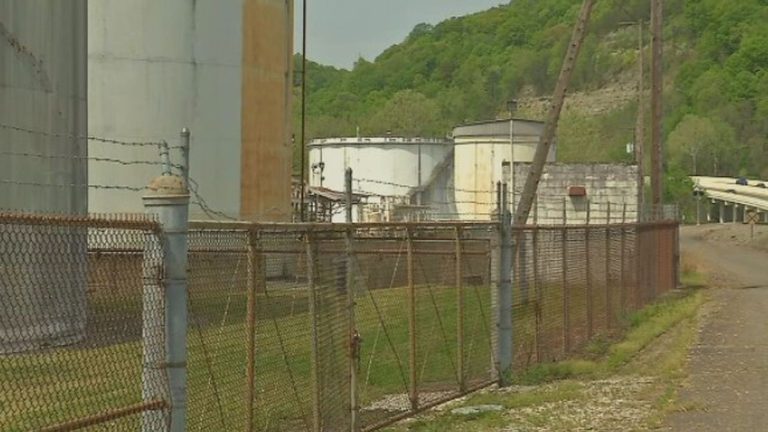
The Buckeye Sciotoville Terminal, a former petroleum facility that has sat idle for several years, is the flagship site in the new plan. Its location along U.S. Route 52 makes it a visible reminder of the city’s industrial past and a prime candidate for redevelopment once environmental concerns are addressed.
“For the most part, there is usually a mechanism and process in place that can be used to clean up to a standard and a level where it is safe to reuse those properties,” explained George Carrico, director of the West Virginia Brownfields Assistance Center, who was consulted during the drafting of the ordinance.
Economic upside
Councilman Packard emphasized that successful brownfield projects can generate new revenue streams and spur economic development. “What we normally see, and what I have seen in my time here, is that when a brownfield is cleaned up, it can be put back into the revenue stream and can be developed,” he said.
By turning previously unusable land into viable commercial or residential space, Portsmouth hopes to attract businesses, create jobs, and expand its tax base—all goals that align with the city’s broader vision for revitalization.
Next steps
The ordinance now awaits the city manager’s signature before becoming formal legislation. If enacted, the city will begin the process of applying for federal brownfield grants, conducting site investigations, and engaging private partners for redevelopment.
Portsmouth residents can expect updates at upcoming council meetings, where the Brownfield Coordinator will report on progress and funding opportunities.
Original reporting: WCHS Eyewitness News Charleston (local) — read the source article.