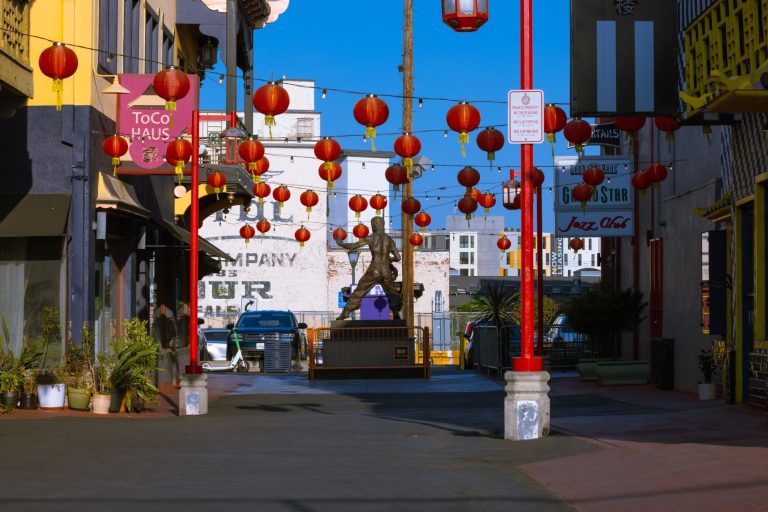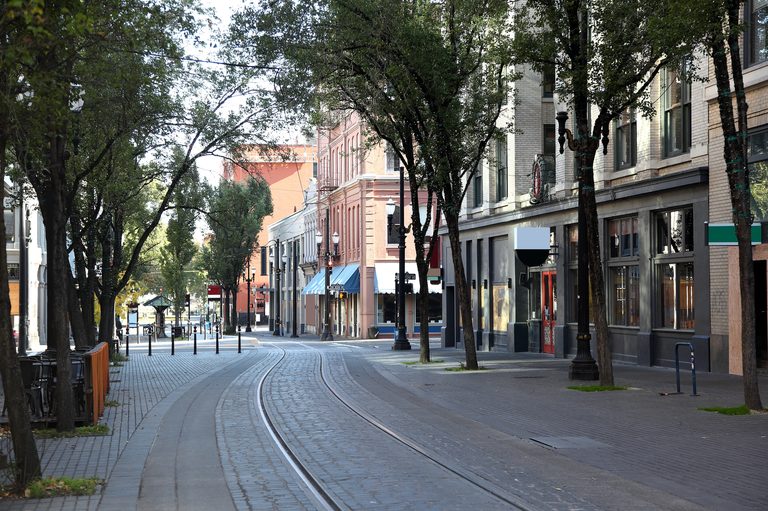
The Portland City Council is set to meet Wednesday to debate a comprehensive zoning overhaul aimed at increasing housing supply and encouraging economic activity in the city’s Central City district. The proposal would modify zoning maps and rules across several Central City neighborhoods, opening new opportunities for residential development where it is currently prohibited.
Key changes in the draft plan
Among the most notable revisions, the draft would remove certain ground‑floor residential restrictions and introduce bonus height allowances for developers who meet specific criteria, such as completing shadow‑impact reviews. In designated zones, the plan would even permit buildings without a fixed height cap, provided they satisfy the new requirements.
The city explicitly excludes scenic view corridors, historic districts and other specially designated areas from the changes, ensuring that the city’s cultural and visual assets remain protected.
Potential benefits
City officials say the changes could unlock thousands of new housing units, make it easier to repurpose vacant office buildings, and broaden the mix of business, retail and food‑cart uses on ground floors. By allowing taller, mixed‑use structures, the plan aims to create more vibrant, walkable neighborhoods and address the region’s ongoing housing shortage.
Community concerns
Critics of the proposal have raised questions about preserving existing industrial businesses and jobs, the capacity of infrastructure to support higher density, and the impact of taller buildings on neighborhood character. In the Central Eastside, planners noted that current zoning already permits the development of more than 15,000 potential housing units, and they have declined requests to rezone additional industrial parcels.
Next steps
If the council approves the amendment, the new zoning rules would take effect on March 1, 2027. The city will continue to hold public hearings and solicit feedback from residents, business owners and developers as the plan moves forward.
Portland’s approach reflects a broader trend among West Coast cities seeking to balance growth with preservation, aiming to provide more affordable housing options while safeguarding the unique character that defines each neighborhood.
Original reporting: KPTV FOX 12 Portland (news) — read the source article.