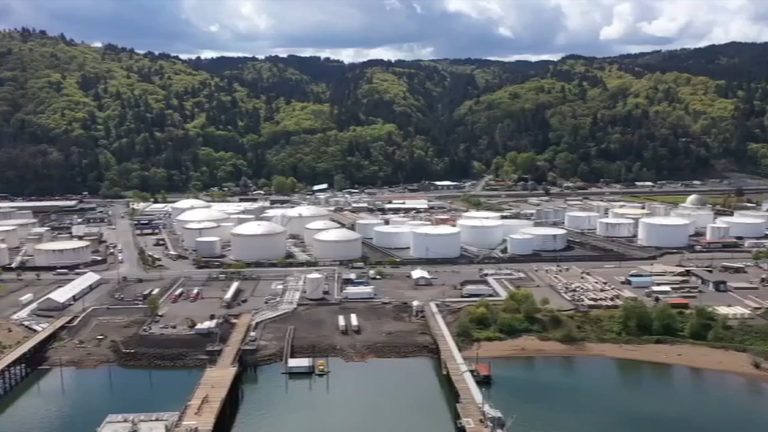
Portland City Council voted Wednesday to move forward with a plan to lessen the amount of fuel stored in the Critical Energy Infrastructure Hub, a six‑mile stretch of land near the St. Johns Bridge that currently holds more than 600 bulk fuel tanks. The ordinances are designed to shrink the volume of fuel on site by the year 2036, a step councilor Elana Pirtle‑Guiney said is essential for public safety.
Why the hub matters
The hub supplies liquid fuel to communities throughout Oregon, but its location on soft, potentially liquefiable soil makes it vulnerable in a major earthquake. Officials fear that a seismic event could cause tanks to rupture, releasing hazardous material into the Willamette River and surrounding neighborhoods.
Council action and goals
The two ordinances passed by the council require the city to develop a phased reduction plan for the fuel tanks. While no specific timeline for relocating the hub has been set, the legislation mandates a measurable decrease in stored fuel by 2036. The measures also call for regular safety assessments and public reporting to keep residents informed of progress.
Balancing energy security and safety
Critics have raised concerns that reducing on‑site fuel could leave Oregon vulnerable during emergencies, especially since the state has no refineries of its own. Councilor Pirtle‑Guiney acknowledged the risk, noting that the “real solution here is ultimately moving storage to a place that is not the least safe place in our state to store this fuel.” The council plans to work with private operators and regional partners to ensure alternative supply routes remain available.
Community response
Local residents and neighborhood groups have largely welcomed the move, citing worries about potential spills and the health impacts of nearby fuel storage. The council’s decision aligns with broader community efforts to prioritize safety, protect the river ecosystem, and preserve the quality of life in the St. Johns area.
Next steps
Portland’s Office of Emergency Management will coordinate with the hub’s operators to draft the reduction schedule and identify suitable relocation sites. The city will also seek input from state agencies, industry experts, and the public during the planning phase. A follow‑up council meeting is scheduled for early 2027 to review the first set of progress reports.
By taking proactive steps now, Portland aims to safeguard its citizens and natural resources while maintaining reliable fuel access for the state’s transportation and emergency needs.
Original reporting: KPTV FOX 12 Portland (news) — read the source article.