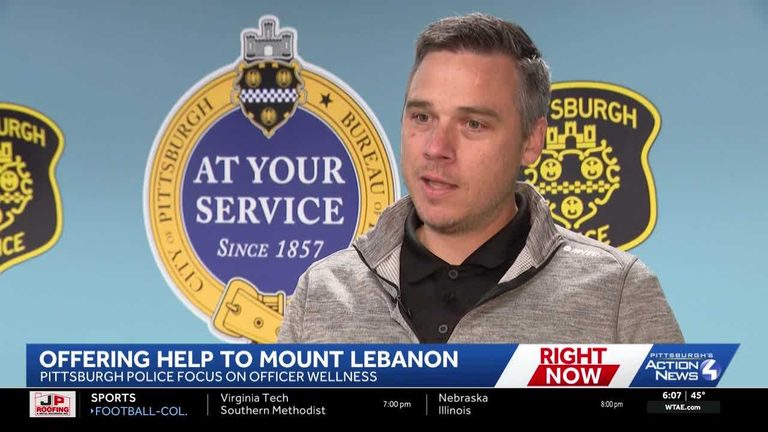
The Pittsburgh Police Bureau announced a dedicated wellness program aimed at supporting the mental health of first responders across the city and neighboring Mt. Lebanon. The initiative, launched eight weeks ago, is headed by Aaron Vander Meer, a licensed social worker and certified clinical trauma professional.
Program focus and leadership
Vander Meer, who previously worked with Police Chief Jason Lando in Frederick, Maryland, will address the cumulative effects of trauma that officers, firefighters and EMS personnel experience on a daily basis. “What we look at is all the issues that can happen individually that can compound over time,” he explained.
Chief Lando praised the role, saying it benefits both the department and the community. “This benefits not just our officers, but it benefits the community as well. I think a position like this is critical in a police department,” Lando said. “Every police department, fire department and EMS service needs an Aaron.”
Response to recent tragedy
Following the tragic deaths of two children and their father in Mt. Lebanon, Vander Meer reached out to the Mt. Lebanon police chief to offer assistance. Pittsburgh police sent members of the Member Assistance Program to the scene—personnel who have personally dealt with trauma and can provide peer support.
Hands‑on approach
Vander Meer is actively building relationships by riding along with officers, learning their routines, and identifying early signs of distress. “We feel more agitated, more irritable, harder time managing small things that we used to. Start feeling tightness in our chest, harder time breathing, worse reactions to things that we normally would have,” he said. “When we start to see those kinds of signs, I think it’s time to reach out and say maybe I need some help, or maybe I need to talk to someone.”
Funding and future plans
Chief Lando also announced the creation of the Pittsburgh Police Foundation, which will fund officer wellness initiatives and professional development opportunities. The foundation aims to ensure long‑term support for mental‑health resources and to foster a healthier, more resilient first‑responder community.
The program reflects a growing recognition of the importance of mental‑health care for those who serve the public daily, reinforcing Pittsburgh’s commitment to both public safety and the well‑being of its dedicated personnel.
Original reporting: WTAE (Hearst) – local — read the source article.