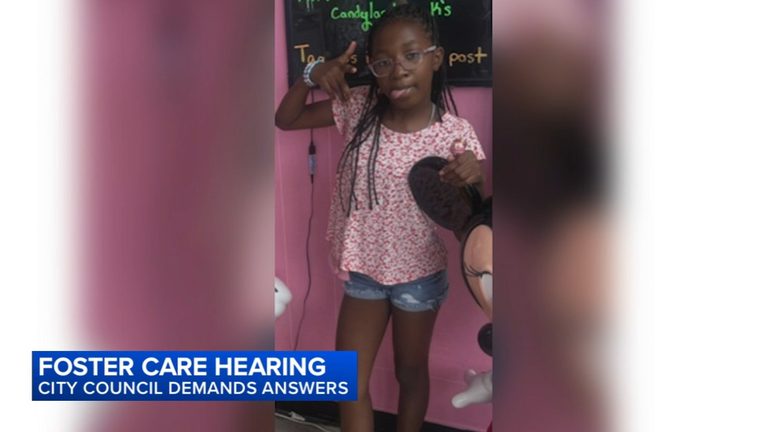
Philadelphia City Council held a hearing to examine the city’s child‑welfare system after the tragic death of 10‑year‑old Malayshia Allford. Lawmakers focused on testimony from Department of Human Services (DHS) Commissioner Kimberly Ali and pressed her on how the city allowed foster mother Caprice Williams to care for the child.
Questions about prior abuse allegations
During the hearing, council members repeatedly asked Commissioner Ali about Williams’ history, including a 2021 allegation that a 4‑year‑old in her care was hospitalized with bleeding on the brain. Councilmember Cindy Bass said, “Should Commissioner Ali have known Caprice Williams had an issue?” and answered, “Absolutely she should know.” Bass added, “This was preventable. This death was preventable.”
Access to the state registry
Ali testified that the city does not have access to a Pennsylvania state registry that would reveal previous allegations against foster‑parent applicants. She emphasized that abuse investigations are conducted by the state Department of Human Services, not the city agency. “Philadelphia DHS believes access to the registry will allow a more thorough review of potential applicants who wish to become a foster or kinship parent,” Ali said.
Legal challenges and agency responses
Williams appealed the abuse findings to the State Bureau of Hearings and Appeals, which ultimately reversed the findings and expunged her record. Ali noted that an administrative judge ordered the expungement and that the state Department of Human Services argued the case.
Some council members remained unconvinced, with Bass stating, “Seems like a lot of passing the buck, passing the blame in my opinion.”
Structure of Philadelphia’s child‑welfare system
The hearing also reviewed the city’s child‑welfare framework. Since 2013, Philadelphia has privatized many services, using Family Foster Care Agencies to hire and train foster parents and Community Umbrella Agencies (CUAs) to monitor care. While some organizations perform both roles, regulations keep the functions separate.
Neither PA Mentor, the foster‑care agency involved, nor Catholic Community Services, the CUA, attended the hearing. PA Mentor said it could not comment but is cooperating with law enforcement. Catholic Community Services also declined to comment.
Executives from other CUAs testified that they do not hire, train, or certify foster parents—those duties belong to foster‑care agencies. “We do visit foster homes at minimum one time per month. Inside those homes, we assess whether the child is safe, cared for, and how the child is integrated into the family setting,” said Christopher Waiters of NET Community Care.
State Department of Human Services statement
Pennsylvania DHS spokesperson Brandon Cwalina clarified that the state agency was not invited to the hearing but disputed the city’s claim of lacking registry access. “Under the Commonwealth’s Child Protective Services Law, County Children and Youth Agencies and the foster‑care providers they contract with have access to the Resource Family Registry. Agencies do not have access to the entire system, but they can view information about families they have approved, disapproved, or closed,” Cwalina said.
The council’s investigation underscores the need for clearer oversight and better information sharing to protect vulnerable children in Philadelphia’s foster‑care system.
Original reporting: Allentown News – 6abc Philadelphia — read the source article.