The Department of Defense released a stark fact sheet Monday, urging Canada to step up its defense contributions to North America. The Trump administration said Ottawa’s current spending and its review of the F‑35 fighter jet purchase fall short of what is needed to protect the continent and place an unfair load on American taxpayers.
Key concerns highlighted by the Pentagon
The fact sheet noted that only 41.9% of Canada’s air‑force fleet was serviceable in the 2025‑26 fiscal year, with 53.9% of its naval fleet and an army readiness rate of 48%. It warned that a mixed fighter fleet could worsen personnel shortages and create uncertainty for the North American Aerospace Defense Command (NORAD), the joint U.S.–Canada air‑defense organization.
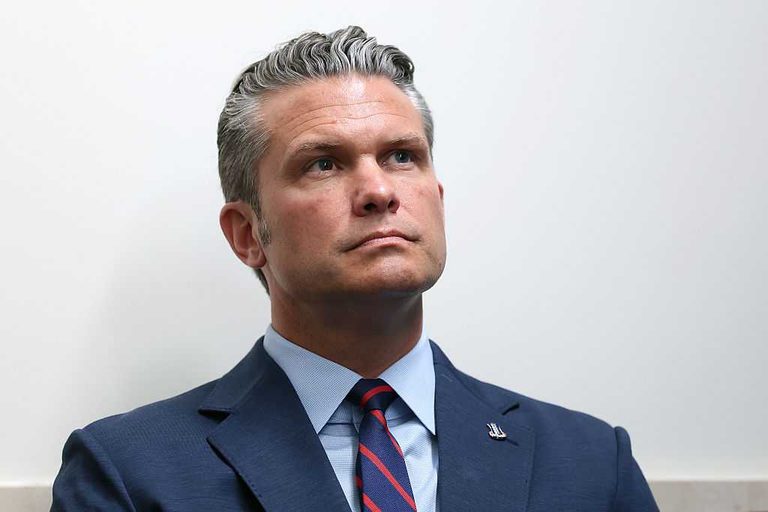
Secretary of Defense Pete Hegseth, whose directive limits U.S. officials’ participation in certain Canadian think‑tank events, said the United States is “laser focused on incentivizing and enabling Canada’s military modernization after decades of American taxpayers footing the bill for its homeland defense.”
Trump administration’s stance on Canadian defense policy
President Trump’s tariff policy has already strained U.S.–Canada trade relations, and the administration has warned that continued underinvestment could jeopardize the security partnership. The Pentagon’s criticism aligns with broader efforts to ensure allies share the financial burden of defending the continent.
In May, Pentagon policy chief Elbridge Colby announced a pause in the Permanent Joint Board on Defense, a bilateral advisory body dating back to 1940, citing Canada’s lack of credible progress on its defense commitments.
Canadian response and alternative options
Prime Minister Mark Carney placed the planned purchase of 88 American‑made F‑35s under review after President Trump threatened Canadian sovereignty with tariffs. Ottawa has also examined Sweden’s Gripen fighter as a potential alternative that could generate domestic manufacturing jobs.
Carney acknowledged readiness challenges, noting that only one of Canada’s four submarines is currently seaworthy. The government has named Germany’s Thyssenkrupp Marine Systems as the preferred supplier for up to 12 replacement submarines, pending contract negotiations.
“We should no longer send three‑quarters of our defense capital spending to America,” Carney said in June, reflecting a desire to balance domestic economic interests with defense needs.
Broader NATO context
Canada recently met NATO’s historic 2% of GDP defense‑spending target and pledged to reach 5% by 2035, projecting combined defense and security spending of 4.1% of GDP by the 2027‑28 fiscal year, though core defense spending is slated at only 2.6%. A parliamentary budget watchdog warned that the path to 5% remains unclear.
Other NATO allies also lag behind the new target. Colby praised Germany’s recent military buildup as a “tectonic shift” and highlighted Poland as a “true model ally,” while also noting Romania’s plan to hit 5% by 2031.
Critics and political context
Senator Mike Rounds, a Republican from South Dakota, defended the Pentagon’s stance, emphasizing that the directive will not affect joint operations or intelligence sharing. Critics of the administration’s approach include Canadian defense analysts who argue that the U.S. pressure could push Canada toward alternative suppliers, potentially weakening interoperability.
Nevertheless, the Trump administration maintains that a strong, well‑funded Canadian military is essential for the security of both nations and for protecting American taxpayers from bearing an outsized share of continental defense costs.
Original reporting: WPBF (Treasure Coast / Hearst) — read the source article.