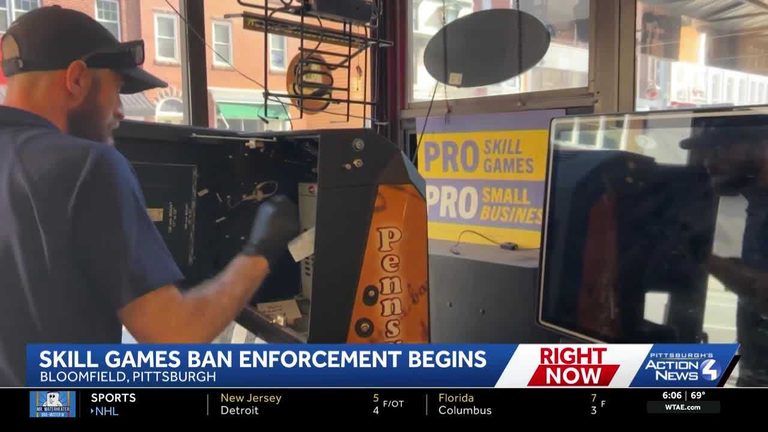
Effective today, Pennsylvania’s ban on skill‑games in stores, restaurants and other businesses is being enforced after the state Supreme Court declared the machines illegal outside of licensed casinos. The decision, issued in June 2026, re‑classified skill games as slot machines, requiring them to follow the Commonwealth’s gambling regulations.
Legislative Inaction After a 120‑Day Grace Period
The court granted lawmakers a 120‑day grace period to craft legislation that would regulate the games. The General Assembly, however, failed to reach an agreement before the deadline, prompting the automatic enforcement measures outlined by state police.
Enforcement Details
According to the Pennsylvania State Police, officers will seize and forfeit the machines and any associated equipment, confiscate proceeds generated by the games, and pursue criminal charges when appropriate. The enforcement plan is designed to deter continued operation of the prohibited devices and to protect the public from unregulated gambling.
Impact on Western Pennsylvania Businesses
Owners across Western Pennsylvania are already feeling the effects. Many small‑town clubs, fire halls and community centers relied on the modest revenue from skill‑games to fund utilities, maintenance and local services. “It’s a good support system to help us do things not only to keep this club running, but also to help with the social hall, fire department, and it covers the utilities for the whole building,” said Michael Saunders, president of Bovard Fire Hall.
Other proprietors warned that the loss of game revenue could force them to raise prices, increase rental fees or even close their doors. Some anticipate a ripple effect that could lead to higher unemployment and mortgage strain for families in the region.
Business Community Response
Local chambers of commerce and business associations have begun organizing informational sessions to help affected owners explore alternative revenue streams. Suggestions include expanding food‑service offerings, hosting community events, and seeking sponsorships from nearby industries.
While the ban represents a significant regulatory shift, many business leaders remain hopeful that the market will adapt. “We’ve faced challenges before and come out stronger,” said a restaurant owner who asked to remain anonymous. “We’ll find new ways to serve our neighbors and keep our staff employed.”
What Comes Next?
State legislators are expected to reconvene later this year to address the regulatory gap left by the court’s ruling. Advocacy groups on both sides of the issue have pledged to lobby for legislation that either loosens restrictions or provides clearer guidelines for permissible gaming activities.
In the meantime, the Pennsylvania Department of Revenue has opened a hotline for businesses seeking clarification on compliance requirements. Officials encourage any venue with questions about the ban to contact the department promptly to avoid penalties.
Community Perspective
Residents expressed mixed feelings about the ban. Some view it as a necessary step to curb unregulated gambling, while others worry about the economic fallout for small‑town institutions that have long relied on the modest income from skill‑games.
As the state moves forward, the balance between protecting citizens from gambling harms and preserving vital community revenue sources will remain a central point of discussion among policymakers, business owners and local families.
Original reporting: WTAE (Hearst) – local — read the source article.