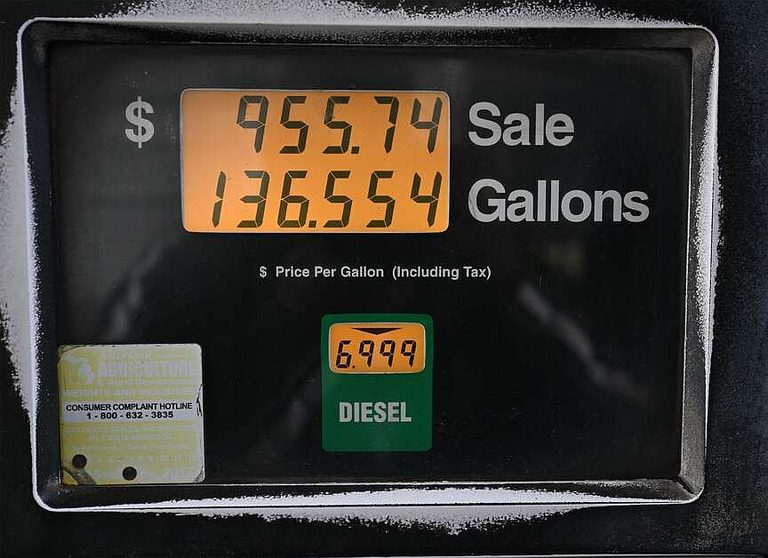
At the TravelCenters of America stop in Breezewood, Pennsylvania, diesel now costs $6.79 a gallon – a 16‑cent rise in just two weeks and a level not seen in a decade. The jump hits owner‑operators hardest, as they lack the buying power of large fleet carriers.
Local impact on small‑business truckers
Lewie Pugh, executive vice president of the Owner‑Operators Independent Drivers Association, notes that 52% of the drivers on the road own just one rig. “This is a huge small‑business industry,” he said. “They don’t have the volume or buying power to arrange for fuel discounts.” With diesel now costing roughly $1 per mile, many independents are seeing take‑home pay evaporate.
National trends and Trump administration response
According to the U.S. Energy Information Administration, diesel in the six‑state Atlantic region rose from $4.10 per gallon before the February U.S. attack on Iran to $6.49 per gallon by the week of Oct. 26 – a 58% increase and a 10‑year high. The Trump administration recently waived the U.S. embargo on buying Russian diesel, a move intended to increase supply and lower prices. While the policy was designed to help drivers, the data shows diesel still climbing, underscoring the challenge of market volatility.
Drivers feel the squeeze
Owner‑operator Chris Garner of Russia, Ohio, who was hauling frozen chicken to Minnesota, warned that higher diesel costs mean less take‑home pay and higher prices for every consumer. “Everybody’s going to pay for it,” he said.
Other independents echo his concerns. Xavier Crippen, a New Jersey driver hauling Amazon merchandise, is pushing the limits of federal driving‑time rules to stay afloat. “It has to go down,” he said, urging lower diesel prices.
In Pennsylvania, junior trucker Junior Jen recalled a $1,500 fill‑up this year compared with $1,000 a year ago. “Right now, I’m losing money,” he said.
Economic ripple effects
FreightWaves identified at least 16 carriers filing for bankruptcy between Sept. 18 and Oct. 21, suggesting the fuel shock may be contributing to broader industry stress. While some carriers can absorb costs through fuel surcharges, those payments often arrive weeks after the price spike, leaving drivers to shoulder the immediate burden.
What’s next for Pennsylvania’s freight corridor?
With nearly one million rigs exiting the Pennsylvania Turnpike annually and $818.6 billion in goods moving through the state each year, the health of the trucking sector is vital to the regional economy. Industry leaders are urging the administration to explore additional measures to increase fuel supply and stabilize prices.
For now, many owner‑operators are adopting fuel‑saving tactics, such as reducing speed to 64 mph and carefully managing idle time. Yet, without broader relief, the outlook remains uncertain for the small‑business drivers who keep America’s shelves stocked.
Original reporting: Texarkana Gazette — read the source article.