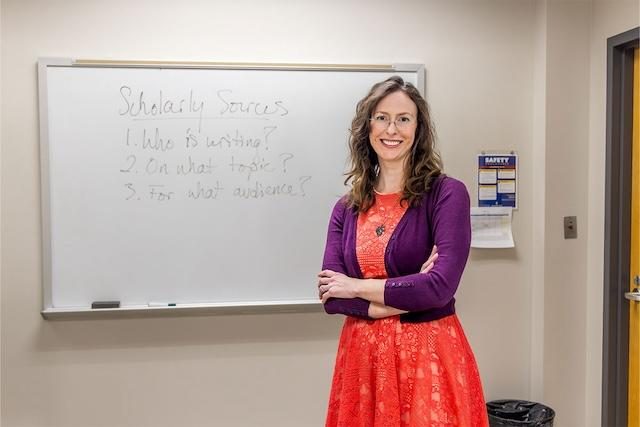
Knoxville, Tenn. – A comprehensive eight‑year study conducted at Pellissippi State Community College demonstrates that brief, classroom‑based library instruction dramatically improves student outcomes. The research, which examined over 50,000 students, found that those who received a librarian‑led session were more than four times as likely to pass their courses and earned grades at least 50% higher than peers who did not receive the instruction.
Study details and methodology
Stephanie C. Gillespie, professor and instruction coordinator for Pellissippi State Libraries, authored the study, which was published in the peer‑reviewed journal College & Research Libraries in September. Working with the college’s Office of Institutional Effectiveness, Assessment and Planning, Gillespie compared the academic performance of students who participated in a one‑shot research instruction session with those who missed the session.
Gillespie emphasized that the study carefully accounted for attendance, noting that earlier research often mixed absent students into comparison groups, obscuring the true impact of instruction. By isolating the effect of attendance, the findings reveal a clear, consistent benefit each semester for eight consecutive years.
Key findings
- Students who received library instruction were more than four times as likely to pass their courses compared with students who were absent.
- Even when compared with students who attended the same class but did not receive instruction, the instructed group passed at a rate more than 50% higher.
- The positive correlation held true for freshmen, sophomores, and students of varying college‑readiness levels.
- Each semester’s data independently confirmed the trend, underscoring that the results are not a statistical fluke.
Erin Elizabeth Whitaker, student‑success librarian for Information Literacy at the University of Tennessee Libraries, called the study “compelling large‑scale evidence” that targeted library instruction supports student success.
Why the findings matter for Tennessee’s community colleges
The research adds a strong data‑driven voice to the ongoing conversation about how community colleges can best serve students, especially those who may be less prepared for college‑level work. By demonstrating that a brief, focused session on locating, evaluating, and using reliable sources can lift grades and pass rates, the study provides a practical, low‑cost strategy for educators across the state.
Gillespie noted, “When we come in and help students – regardless of if they’re freshmen or sophomores, college ready or not – they benefit a lot, even when they aren’t equally likely to succeed.” The study’s authors hope the findings will encourage other institutions to adopt similar instructional models and recognize the vital role librarians play in academic achievement.
Looking ahead
While the study establishes a strong correlation between library instruction and improved academic performance, it does not claim to prove direct causation. Nevertheless, the evidence offers educators a valuable tool for enhancing student outcomes without requiring major budget increases.
Gillespie expressed optimism that the research will spark further investigation and broader adoption of library‑based instructional practices. “It’s a testament to our college, and shows that community colleges can conduct this level of research,” she said. “I am very excited that this will go out into the world and generate excitement within my field.”
For students at Pellissippi State and other Tennessee community colleges, the takeaway is clear: mastering the skills to find and evaluate reliable information is more than a library exercise—it is a cornerstone of academic success.
Original reporting: Knox TN Today — read the source article.