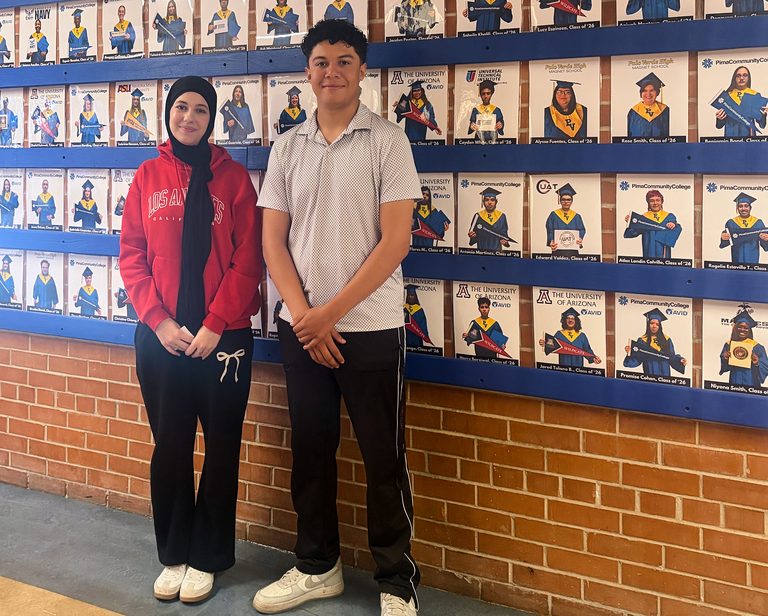
Since the Tucson Unified School District began a four‑day‑week pilot at Palo Verde High School, seniors have been using the free Friday to work, earn money for their families, and get ahead on academic responsibilities.
Students turn Fridays into earning and learning opportunities
Saul Soto, a senior, rises at 6 a.m. on Fridays, checks the stock market, then spends the morning on schoolwork before heading to his job as a cook at Sonic Drive‑In on Tucson’s east side. He works until about midnight and returns home around 1 a.m., using the earnings to help his family with bills and support his two younger siblings.
Sham Alkurdi, another senior, spends her Fridays meeting with counselors to polish college applications and essays. As a native Arabic speaker, she finds the dedicated time essential for completing paperwork and improving her English proficiency. She also balances a baking business, photography hobby, and a medical‑technology certification program at the JTED east‑side campus.
How the four‑day schedule works
The pilot replaces the traditional five‑day schedule with four full days of instruction—seven 60‑minute classes from 8:10 a.m. to 4:10 p.m.—and leaves Friday open for students and a shortened staff day. The fifth day is reserved for credit recovery, internships, academic help, and family flexibility.
Principal Eric Brock, a 14‑year veteran of Palo Verde, helped sell the plan to the TUSD governing board as a way to attract and retain students. The school has seen an 11 % enrollment increase over the past four years, the strongest growth among TUSD’s ten largest high schools.
Community response and funding impact
A parent survey last spring indicated that about one‑third of families would have their student attend on a Friday, and Brock reports that more than half of the students have already taken advantage of the open day. Increased attendance could translate into significant state aid; a 10 % rise in attendance next fiscal year would bring roughly $143,000 in additional funding.
The district faces enrollment declines overall, having lost around 13,000 students in the past 12 years, prompting school closures and consolidations. Palo Verde’s pilot offers a potential model for boosting enrollment and state revenue while giving students real‑world work experience.
Looking ahead
Academic outcomes from the pilot will be documented in 2027, and Brock expects to present more data to the board next semester. Meanwhile, Palo Verde earned a B grade from the State Board of Education this month, reflecting solid performance amid the transition.
Original reporting: Arizona Luminaria — read the source article.