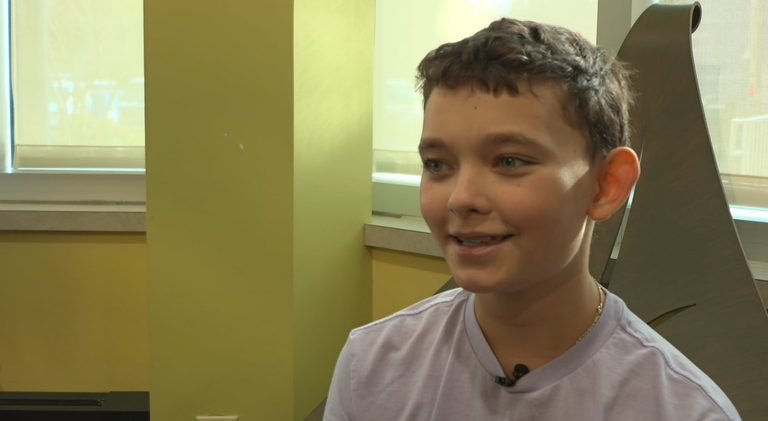
Owensboro – As National Diabetes Awareness Month unfolds this November, 13‑year‑old Beau Ehlschide is using his own story to help other families understand what it means to live with Type 1 diabetes. Diagnosed at age four after a blood‑sugar reading of 600, Beau has learned to balance school, sports and friendships while keeping his condition under control.
Early signs and a life‑changing diagnosis
Beau’s mother, Erica Ehlschide, recalls that the family first noticed something was wrong before he even started preschool. “He was extremely thirsty, losing weight and seemed lethargic,” Erica said. A routine check revealed a blood‑sugar level of 600, prompting an immediate hospital stay over Labor Day weekend and a definitive Type 1 diabetes diagnosis.
Managing daily life
Today, managing the condition is woven into Beau’s everyday routine. He carries a glucose meter, insulin pens and a backup juice box for low‑blood‑sugar episodes. “I remember a couple years ago I was at a baseball game, I had to keep a juice box in my back pocket because that’s what I have to drink when my blood sugar goes low,” Beau explained. “Man, it would’ve sucked if that thing busted.”
Beau’s experience underscores a broader truth for families dealing with the disease: adaptation is possible, though it requires vigilance. “I would say it’s okay to be upset about it because it’s a really, really big change,” Beau said. “But it’s not impossible – you just gotta adapt to it.”
Family support and community resources
Erica emphasizes the importance of education and community support. “It’s not just something that happens overnight. You learn that it is something that can be managed. It’s not easy to manage, but it can be managed,” she said. The Ehlschide family has leaned on local diabetes support groups, school nurses and pediatric endocrinologists to stay informed about the latest treatment options.
Erica encourages other families facing a new diagnosis to reach out to experienced parents and professionals. “The connections we’ve made over the years have provided support and advice,” she noted, adding that these relationships have been vital during challenging moments.
Why Diabetes Awareness Month matters
National Diabetes Awareness Month serves as a reminder that early detection and consistent care can dramatically improve quality of life. For Beau, the month is a time to reflect on the people who have helped him along the way and to share his story with peers who might be struggling.
“It just helps me reflect so I know what to do in the future and appreciate what I have now,” Beau said. His message is clear: with proper management, children with Type 1 diabetes can still pursue the activities they love.
Local resources in Owensboro
Families in Owensboro and the surrounding Daviess County area can access resources through the Kentucky Diabetes Association, local hospitals’ pediatric endocrinology departments, and school‑based health services. Community events, such as the annual Diabetes Awareness Walk, provide additional opportunities for education and fundraising.
As November continues, Beau and his family hope their story will inspire other young people to stay proactive about their health, seek support when needed, and remember that a diagnosis does not define their future.
Original reporting: 14 News WFIE Evansville (news) — read the source article.