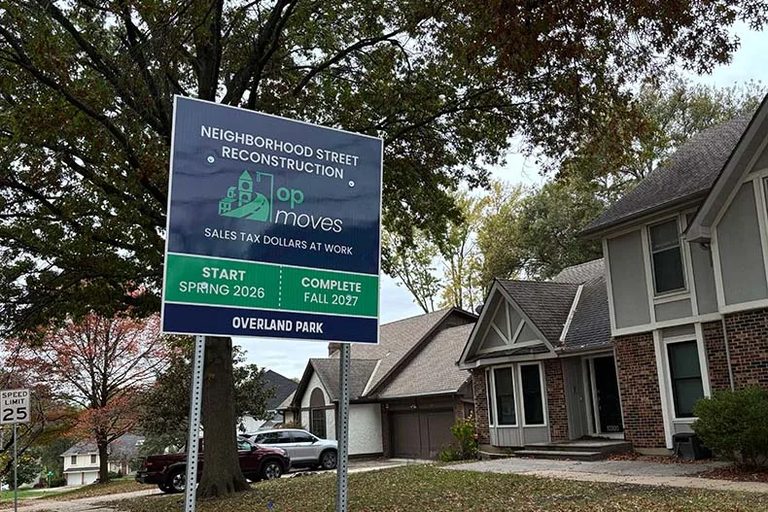
Overland Park officials voted to adopt a revised set of guidelines for the city’s Neighborhood Street Reconstruction Program (NSRP). The changes, approved on the council’s consent agenda, are designed to reduce the impact of street replacement projects on homeowners and to protect mature trees that have long shaded Kansas neighborhoods.
Why the update matters
For more than a decade the city has been replacing aging neighborhood streets—many built over 60 years ago—with concrete roadways. While the work is essential to keep the pavement network safe, residents have repeatedly voiced concerns about prolonged closures, loss of mature oak and maple trees, and the addition of sidewalks where they were never wanted.
Public Works Director Lorraine Basalo explained that the NSRP targets streets deemed “failing” based on the pavement condition index, age, and the condition of underlying infrastructure. Since the program’s inception in 2011, the city has rebuilt roughly 45 lane miles and plans to replace another 24 lane miles in the next few years, with about 130 lane miles still pending.
Key provisions of the new ordinance
- Tree survey requirement: Every project must inventory each tree that could be affected, noting species, size and health. The city will prioritize preserving trees and will replace any that must be removed, helping maintain the neighborhood canopy.
- Limited street widening: Streets will only be widened if the travel lane width is less than 26 feet from curb to curb. Conversely, streets wider than the 28‑foot maximum may be narrowed, preserving the existing streetscape.
- Speed study mandate: Before reconstruction, a speed study will be conducted to determine whether traffic‑calming measures are needed, promoting safety without automatically adding new sidewalks.
- Expanded selection criteria: In addition to pavement condition, the city will consider storm‑water infrastructure health and traffic safety when prioritizing projects, giving a more balanced view of neighborhood needs.
Resident response
Neighbors in the Quail Ridge subdivision have been vocal about the previous rules. Long‑time resident Myrtle Stiaszny told council members that her cul‑de‑sac does not need a sidewalk and that removing a dozen mature trees would be “an environmental catastrophe.” Councilmember Logan Heley, who chairs the Public Works Committee, said the revised ordinance reflects the community’s input and offers a “really good product.”
Funding and timeline
The city increased its annual allocation for neighborhood street repair to about $16.5 million beginning in 2026, allowing up to ten lane miles to be rebuilt each year—up from roughly four lane miles previously. The additional $10 million per year was added after recommendations from the Infrastructure Advisory Group.
Projects typically take a year or longer, depending on utility relocations and any ancillary infrastructure upgrades. The new guidelines are expected to be applied to all NSRP projects moving forward, starting with the 2027 reconstruction slated for Quail Ridge.
Looking ahead
By formalizing tree surveys and tightening widening standards, Overland Park hopes to strike a balance between necessary infrastructure upgrades and the preservation of the neighborhood character that families cherish. The city’s approach underscores a commitment to responsible stewardship of public works while listening to the concerns of its residents.
Original reporting: Johnson County Post (Overland Park) — read the source article.