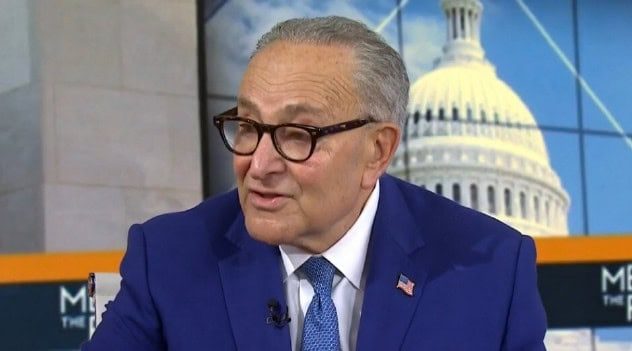
In a letter delivered Thursday, a coalition of over 50 advocacy organizations—including Demand Progress, Americans for Responsible Innovation, Encode and The Tech Oversight Project—asked Senate Democratic Leader Chuck Schumer and House Democratic Leader Hakeem Jeffries to prevent Big Tech allies from chairing any artificial‑intelligence (AI) committees in the 120th Congress.
Why the coalition is pressing for change
The groups argue that the recent midterm elections demonstrated clear voter enthusiasm for stricter AI guardrails. They note that AI appeared as a campaign issue in roughly 40 percent of congressional races nationwide, indicating broad public concern.
“Following a midterm election in which voters expressed enthusiasm for stronger guardrails, it is now critical that party leaders help turn the vision that candidates shared on the campaign trail into federal legislation and oversight,” the coalition wrote. “That transformation starts with the right committee leadership.”
Three non‑negotiable criteria
The letter outlines three conditions that any prospective committee leader must meet:
- Enact binding safeguards: Reject voluntary industry pledges and adopt mandatory, enforceable rules to protect workers, consumers and children from advanced AI risks.
- Protect state protections: Oppose federal preemption that would nullify stronger, proactive state‑level technology regulations.
- Refuse tech Super PAC money: Cut ties with industry‑backed political action committees, calling out groups such as Leading the Future for funneling millions into efforts that undermine regulatory oversight.
Advocates cite voter mandate
Colin McGlynn, an AI policy advisor for Demand Progress, said the coalition sees a clear mandate from the American people. “On Tuesday, the American people resoundingly rejected the politics of letting billionaire AI CEOs write their own rules for the out‑of‑control AI systems tearing through all aspects of society,” he said. “Sen. Schumer and Rep. Jeffries must take this mandate seriously by appointing the right people to the committees that are supposed to write these rules.”
Response from congressional leaders
As of this writing, neither Schumer nor Jeffries has publicly responded to the coalition’s demands. Both leaders are under intense scrutiny as closed‑door deliberations begin to shape the composition of technology‑policy committees for the upcoming legislative session.
Broader context
The push comes at a time when AI policy is emerging as a flashpoint in national politics. Lawmakers on both sides of the aisle have voiced concerns about the speed of AI development, potential threats to privacy, job displacement and the need for a coordinated regulatory framework.
While the coalition’s request is explicitly partisan—targeting Democratic leaders—it reflects a broader public desire for transparent, enforceable oversight of powerful technology firms. Whether the appeal will translate into concrete committee assignments remains to be seen, but the letter underscores the growing influence of organized civil‑society groups in shaping federal technology policy.
Original reporting: Tampa Free Press — read the source article.