Most people driving through Columbus on their way somewhere else don’t know that Atlanta has a reasonable claim on one of the quietest, most genuinely wild nature preserves within two hours of the city — but Oxbow Meadows is actually in Columbus, Georgia, and that’s precisely the point. The place most Atlantans have never heard of sits on 1,600 acres of oxbow wetlands along the Chattahoochee River’s lower stretch, managed by Columbus State University, and on a rainy Tuesday in March it will give you something rare: total, uninterrupted silence broken only by red-winged blackbirds and the occasional alligator sliding off a bank.
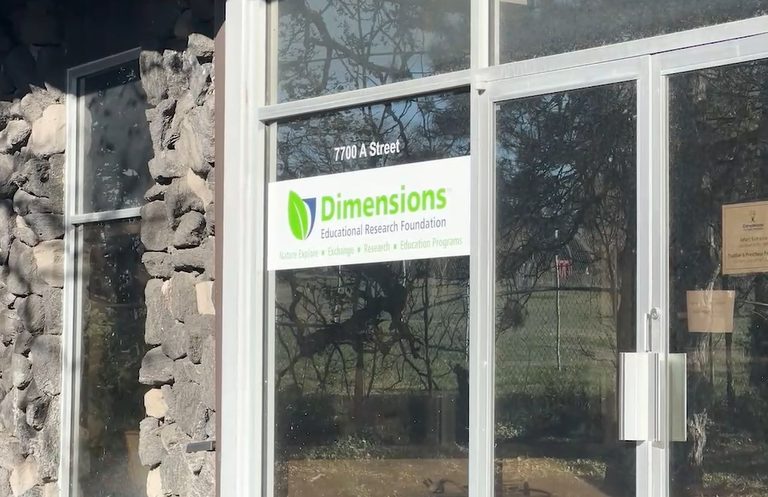
You pull off Warm Springs Road into a small gravel lot and immediately notice the absence of a crowd. The interpretive center at the entrance is free, modest, and staffed by people who actually study the place — graduate students, field researchers, and a rotating cast of volunteers who can tell you which snake species overwinters in the adjacent cypress slough. That’s not a detail you get at a state park welcome desk.
The trail system runs about four miles total, but the real draw is the oxbow lake loop, roughly 1.8 miles of boardwalk and packed-gravel path that takes you through open marsh, bottomland hardwood forest, and the kind of standing-water habitat where great blue herons stand motionless for so long you start to wonder if they’re real. In late winter and early spring, when the weather keeps casual visitors away, migratory waterfowl pack the shallower sections of the lake — canvasbacks, ring-necked ducks, the occasional tundra swan if you’re lucky and patient.
Bring binoculars. Seriously. The birding here is exceptional by any regional standard, and the flat terrain means you’re not fighting elevation while you’re scanning the treeline. A decent pair of 8x42s will keep you occupied for two hours without covering a mile.
Alligators are present and visible from roughly April through October. The staff treats this matter-of-factly, which is the right attitude. You stay on the boardwalk, you don’t crouch at the water’s edge for a better photo, and everyone goes home fine. There’s a small reptile and amphibian exhibit inside the center — live turtles, a few native snake species in tanks — that’s genuinely educational rather than just decorative, and kids who’ve been dragged here against their will tend to warm up quickly once they spot a live copperhead behind glass.
Admission is free. Parking is free. The hours run roughly 9 a.m. to 5 p.m. most days, though you should confirm on the CSU website before making the drive, because holiday schedules and research events occasionally affect access. The drive from Atlanta is about one hour and forty-five minutes depending on where you’re starting, which puts it at the outer edge of a day trip but entirely doable if you leave by eight in the morning.
The case for going on a weekday, especially in shoulder season, is straightforward: you’ll have the boardwalk to yourself. No school groups, no weekend joggers cutting the loop short, no one playing music through a phone speaker. Just marsh grass bending in the wind, a painted turtle working its way up a cypress knee, and the particular stillness that’s gotten nearly impossible to find anywhere within two hours of a major American city. That, more than anything, is what Oxbow Meadows actually is.