Omaha, Neb. – More than 30 murder‑suicides have been recorded in Nebraska since 2019, leaving countless families grappling with grief, guilt and unanswered questions. In response, local survivors are banding together to provide peer‑to‑peer support and practical resources for those left behind.
Impact of murder‑suicides on families
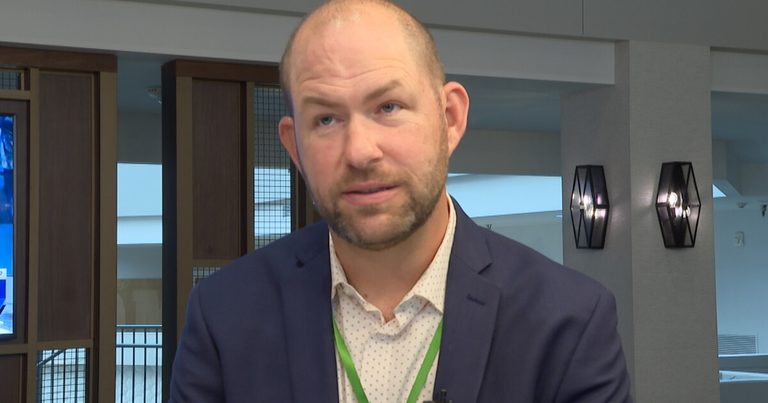
For Michael Vinton, the pain is personal. Six years ago his brother committed a murder‑suicide, taking another life before ending his own. “My brother was the one who caused the harm, he took the life of someone else and then his own. While it was the worst thing he has ever done in his entire life, I still needed to mourn, I needed to grieve,” Vinton said.
Vinton now serves as co‑founder and president of Impacted Survivors of Murder Suicide, an organization that offers counseling referrals, support groups and a safe space for families to discuss their experiences without judgment.
Breaking the stigma
“Because of the stigma, people don’t want to talk about it, and that was the hardest part for me. I wanted to talk so much about it,” Vinton explained. The group’s mission is to normalize conversation around these tragedies, encouraging families to seek help early rather than suffer in silence.
Support for suicide survivors
Jamie Duckert’s story echoes a similar need. Twelve years after losing her son to suicide, Duckert now volunteers with local outreach groups, saying, “It is also rewarding to be able to be there for people going through their hardest time, and feel honored to help them in this fashion.”
Experts stress that recognizing warning signs—such as isolation, withdrawal from activities, or expressions of feeling like a burden—can be crucial in preventing further loss. “Isolation, folks not doing the things that they like to do. They don’t want to go out, participate in family gatherings…things like they are a burden or burdensome to you, that is not normal,” one mental‑health professional noted.
Simple actions, like checking in with a friend and listening without judgment, can make a decisive difference. “There is a lot of people out there hurting and they shouldn’t have to hurt in privacy,” another expert added.
Local Outreach to Suicide Survivors (LOSS)
LOSS, short for Local Outreach to Suicide Survivors, is a network of individuals who have experienced loss firsthand. The group connects survivors with counseling services, crisis hotlines and community events, reinforcing the message that no one has to grieve alone.
Anyone in crisis can reach the 988 Suicide & Crisis Lifeline by calling or texting 988, or by visiting 988lifeline.org for live chat support.
Looking ahead
Both Impacted Survivors of Murder Suicide and LOSS plan to expand their outreach through workshops, school‑based education programs and partnerships with local faith communities. By fostering open dialogue and providing tangible resources, they hope to reduce the isolation that often precedes tragic outcomes and to honor the memory of those lost.
Original reporting: KMTV 3 News Now (Scripps) – local — read the source article.