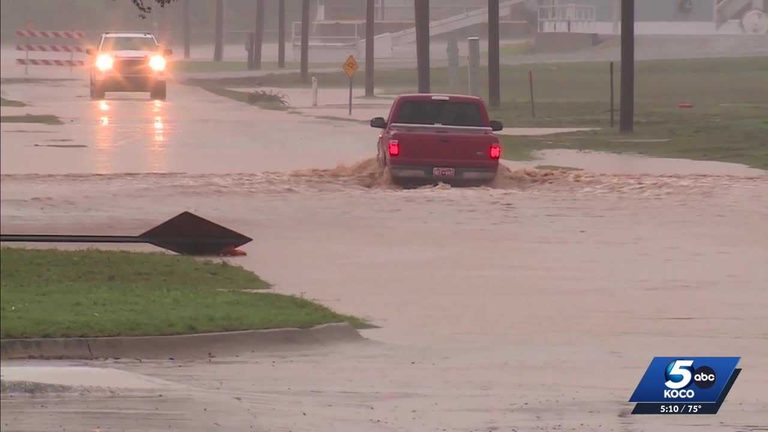
Oklahoma’s recent burst of rain has produced a vivid green‑up across much of the state, prompting optimism among farmers and residents. However, state climatologist Gary McManus cautions that the greener appearance is misleading and does not signal an end to the severe drought that has persisted for more than a year.
Rainfall Improves Reservoirs, Yet Drought Persists
Heavy rains over the past two weeks have lifted water levels in several major reservoirs. Lake Hefner, for example, is now only three feet below its normal level, and central Oklahoma lakes have risen five to six feet in the last ten days. These gains have helped fill farm ponds and support winter wheat planting, which McManus described as a “billion‑dollar rain” for the state.
Despite these short‑term benefits, the drought remains classified as extreme to exceptional. Since it began in October 2025, many parts of Oklahoma are still six to twelve inches below average rainfall. The lower soil layers, two to four feet deep, remain dry, limiting the amount of water that can be absorbed into the root zones of crops.
Green‑up Is “Fool’s Gold,” According to Experts
McManus likened the current green‑up to “fool’s gold,” warning that the visual improvement can mask the underlying water deficit. He explained that the ground was baked hard before the rains, causing much of the runoff to flow away rather than soak in. While some surface water has been captured, the deeper soils that sustain crops and pasture remain parched.
He emphasized that a more sustainable rainfall pattern—moderate, steady precipitation that penetrates the soil—would be far more beneficial than the recent heavy downpours. Looking ahead, McManus expects El Niño conditions this fall and winter to continue eroding the drought’s severity, but he stresses that patience is required.
Impact on Agriculture and Communities
The timing of the rains has been crucial for winter wheat growers, who rely on adequate moisture to achieve good yields. The improved reservoir levels also provide a buffer for municipal water supplies and recreational boating, offering some relief to communities that have faced water restrictions.
Nevertheless, residents in the most affected counties should remain vigilant. Ongoing monitoring of soil moisture and water usage will be essential to ensure that the temporary boost does not lead to complacency.
What Residents Can Do
Local officials encourage water‑conserving practices, such as using efficient irrigation methods and limiting non‑essential water use. Homeowners are advised to check local advisories before landscaping or lawn‑watering, as the deeper soil layers may still be too dry to support extensive watering without waste.
McManus reiterated that while the recent rains are a positive development, they are only a step toward fully recovering from the drought. Continued observation and responsible water management will be key to turning the current “green‑up” into lasting relief for Oklahoma’s farms, families, and ecosystems.
Original reporting: Oklahoma City News Feed (HLL/CB) — read the source article.