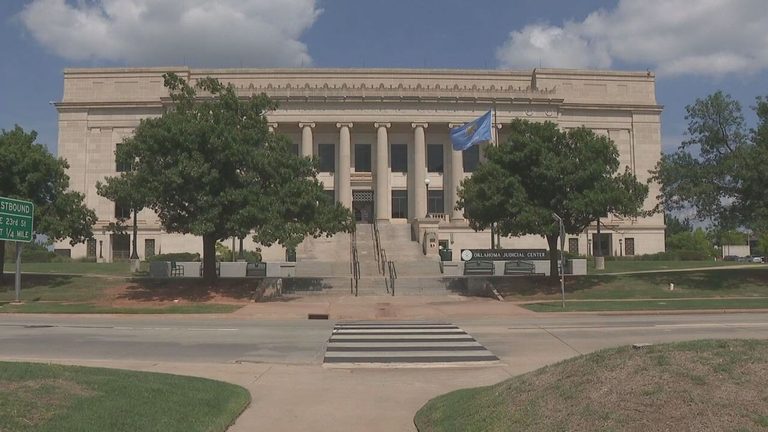
Oklahoma City — The Oklahoma Supreme Court on Tuesday struck down Senate Bill 1027, a 2025 law that added new limits and requirements to the state’s initiative and referendum petition process. In a closely divided 5‑4 opinion, the justices ruled the statute unconstitutional and void in its entirety, citing violations of constitutional protections for political speech and the right to petition the government.
Key provisions of the struck‑down law
The contested law would have required petition circulators to be registered Oklahoma voters, capped the number of signatures that could be collected in each county, and placed restrictions on how circulators could be paid. It also barred individuals or organizations outside Oklahoma from funding petition circulation and imposed new reporting and disclosure requirements.
Majority reasoning
The majority opinion held that these restrictions placed unconstitutional burdens on petition campaigns. The court found that the law’s remaining provisions could not be separated from the sections it struck down, meaning the entire bill was invalidated.
Dissenting view
Four justices dissented, arguing that some elements—particularly the county‑signature caps—should have remained in effect to protect rural interests and ensure balanced representation.
Impact on future petitions
With the ruling, the version of Oklahoma’s petition statutes that existed before SB 1027 takes effect again. Petition sponsors must continue to meet the pre‑2025 requirements, but the new caps and funding restrictions will no longer apply.
Legislative background
The Republican supermajority in both chambers passed SB 1027, asserting that cities were overlooking rural communities in statewide legislation. Supporters of the bill argued that rural residents often disagreed with statewide votes on controversial topics such as medical marijuana and criminal‑justice reform.
What this means for Oklahomans
Restoring the earlier petition rules re‑empowers grassroots organizers across the state, allowing them to gather signatures without the added hurdles imposed by the 2025 law. Advocates for direct democracy see the decision as a reaffirmation of Oklahoma citizens’ constitutional right to petition their government.
Next steps
The decision does not affect other aspects of Oklahoma’s election law, but it does signal that the state’s highest court will closely scrutinize any future attempts to limit political speech or petitioning activity. Lawmakers who wish to revisit petition regulations will need to craft any new measures in a way that respects the constitutional protections highlighted in this ruling.
Original reporting: KTUL 8 (Sinclair) – local — read the source article.