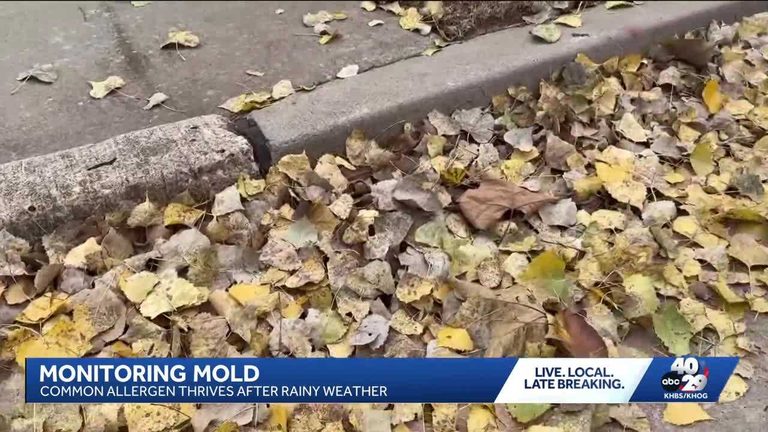
Recent rainfall throughout Oklahoma has left lawns, leaf piles and other organic debris damp, creating a perfect environment for mold spores to flourish. The surge in mold growth is a new challenge for many Oklahomans who already contend with seasonal allergies or chronic respiratory conditions.
Why mold thrives after rain
“That moisture creates a perfect environment, per se, to have these mold spores and allergens in our environment,” explained Dr. Avigeet Gupta, an assistant professor of rhinology, allergy and endoscopic skull base surgery at the University of Oklahoma College of Medicine. Mold feeds on decomposing organic matter such as lawn thatch and fallen leaves, a point emphasized by Dean Atkinson of the Oklahoma Allergy and Asthma Clinic.
Symptoms to watch for
Exposure to mold can trigger classic allergy reactions. “Itchy eyes, an itchy nose, sneezing, and nasal congestion” are common complaints, Dr. Gupta noted. For those with asthma or other underlying respiratory issues, mold can provoke more serious episodes, including wheezing and asthma exacerbations.
Practical steps to reduce indoor exposure
Health officials recommend keeping indoor humidity between 30% and 50% to discourage mold growth. Using a dehumidifier, especially in basements, bathrooms and laundry areas, can help maintain this balance. “Try to make sure the environment is best at home and reduce humidity,” Dr. Gupta advised.
In addition to moisture control, regular cleaning of areas prone to dampness—such as under sinks, around windows and in HVAC systems—can limit spore buildup. Promptly removing standing water and ensuring proper ventilation after showers or cooking are simple yet effective measures.
Medical options for relief
For those already experiencing symptoms, over‑the‑counter antihistamines and nasal sprays can provide temporary relief. “You can also be allergy tested, and allergy shots over time reduce sensitivity to what you’re allergic to. Medicine does help reduce symptoms but not reactivity,” said Atkinson.
People with severe allergies or uncontrolled asthma should consult a healthcare provider for personalized treatment plans, which may include prescription medications or immunotherapy.
Community resources
Local clinics and pharmacies are stocked with allergy‑relief products, and many offer free or low‑cost allergy testing during the spring and fall months. Residents are encouraged to take advantage of these services, especially if they notice a sudden increase in symptoms after the recent rains.
By staying vigilant about indoor moisture, cleaning regularly, and seeking appropriate medical care, Oklahomans can protect their health and enjoy the season despite the lingering dampness.
Original reporting: 40/29 News KHBS Fort Smith (local) — read the source article.