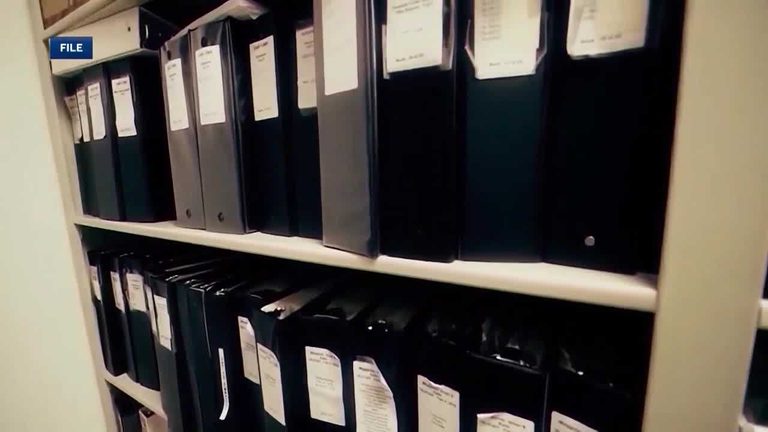
Starting Nov. 1, Oklahoma residents will be able to submit a written request for a cold‑case review, a right created by Senate Bill 1636. The law requires law‑enforcement agencies to acknowledge the request within 30 days and to complete a review within six months, providing families a clear path to seek answers in long‑standing investigations.
Family advocates praise the new tool
Dr. Maggie Zingman, whose daughter Brittany Phillips was murdered in 2004, has championed the bill for years. “This isn’t about my daughter’s case alone,” Zingman said. “It’s about the boy next door, the girl next door, the man or woman next door. This can happen to anyone.” She added that the lack of communication from agencies over the years has been a painful obstacle for families seeking closure.
Lawmakers outline oversight board
State Sen. Carrie Hicks hosted an interim study at the Oklahoma State Capitol to discuss the creation of a statewide Cold Case and Missing and Unidentified Persons Advisory and Accountability Board. The board would monitor compliance with the new law, ensuring agencies meet the 30‑day acknowledgment and six‑month review timelines.
Agencies admit they are still planning
Francia Thompson, a special agent with the Oklahoma State Bureau of Investigation (OSBI), acknowledged that the bureau is still working out the details. “There’s no form that we have right now built in to see how this will work. Maybe that’s something that we will need to develop depending on what happens Nov. 1,” Thompson said.
The OSBI currently has 463 open cold cases, not counting cases from local agencies. While the bureau maintains a cold‑case unit and accepts tips from families, it has no formal process for handling the new statutory requests.
Local officials warn of preparation gaps
Amanda Newland‑Hale, founder and director of Investigative Research at Oklahoma Cold Cases, expressed concern that many agencies lack a clear plan for the influx of requests. “The big thing is that agencies have no idea what they need to do when people are going to start coming to them on Nov. 1,” she said.
Newland‑Hale also highlighted the need for a clear DNA‑review protocol. “If DNA hasn’t been reviewed in five years, let’s review what DNA we have. Is it still viable? Can we still use that? And what new technologies do we have?” she asked.
Legislative intent and next steps
Senate Bill 1636 was inspired by the 1987 State Fair murders, a case that underscored the pain families endure when investigations stall. The interim study also gathered input from investigators who described the challenges of working on cold cases without a standardized request system.
Lawmakers say the accountability board will issue guidance on forms, timelines, and DNA‑evidence handling. They expect the board to issue its first set of recommendations within the next few months, giving agencies time to adjust before the law takes effect.
What families should expect
Families wishing to request a review must submit a written request to the appropriate law‑enforcement agency. The agency must respond in writing within 30 days, confirming receipt and outlining the review plan. The statutory six‑month deadline is intended to keep investigations moving forward while allowing agencies the flexibility to allocate resources.
While the law marks a significant step toward transparency and victim‑family support, officials acknowledge that successful implementation will require coordinated effort, adequate staffing, and clear procedural guidelines. As Nov. 1 approaches, both advocates and agencies are watching closely to ensure the promise of the new statute becomes a reality for Oklahoma’s grieving families.
Original reporting: Oklahoma City News Feed (HLL/CB) — read the source article.