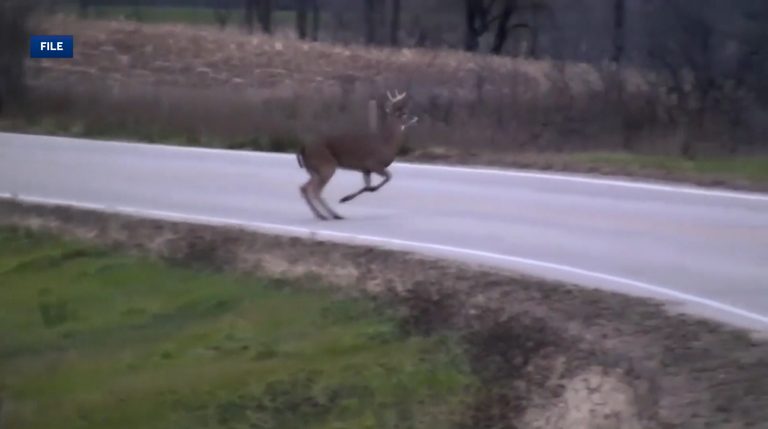
With the start of November, Oklahoma enters the early stages of the deer rut, a period when bucks focus on finding mates rather than watching the road. The Oklahoma Department of Wildlife Conservation (ODWC) is warning drivers across the state to stay especially vigilant during dawn and dusk, when deer activity spikes.
Why the rut raises road‑risk
“The bucks are thinking about other things other than vehicles,” said Micah Holmes, spokesperson for ODWC. He explained that during the rut, deer are more likely to cross highways and rural roads as they move toward breeding grounds. The timing coincides with the recent end of daylight‑saving time, meaning it gets darker earlier and more commuters are on the road during the low‑light hours.
Safety recommendations from ODWC
Holmes offered several practical steps for motorists:
- Reduce speed at night and be prepared to stop.
- Watch for groups of deer – if you see one, two more may be following.
- Brake evenly if a deer enters the roadway; avoid swerving, which can cause loss of control.
“No one wants to hit a deer. But unfortunately, in some cases, that’s the best‑case scenario. What we don’t want to see happen is to make a bad situation worse,” Holmes said.
What drivers can expect
The ODWC expects the heightened activity to subside as the rut concludes in roughly two weeks. Nonetheless, they caution that deer remain a hazard year‑round, and the early November period is likely the most dangerous stretch.
Local impact
Oklahoma’s highways, especially rural stretches and routes near wildlife corridors, have historically seen higher rates of deer‑vehicle collisions during the rut. By following the department’s guidance, drivers can help protect both themselves and the wildlife that shares the state’s roads.
For more information, visit the Oklahoma Department of Wildlife Conservation’s website or follow their social‑media updates during the breeding season.
Original reporting: Oklahoma City News Feed (HLL/CB) — read the source article.