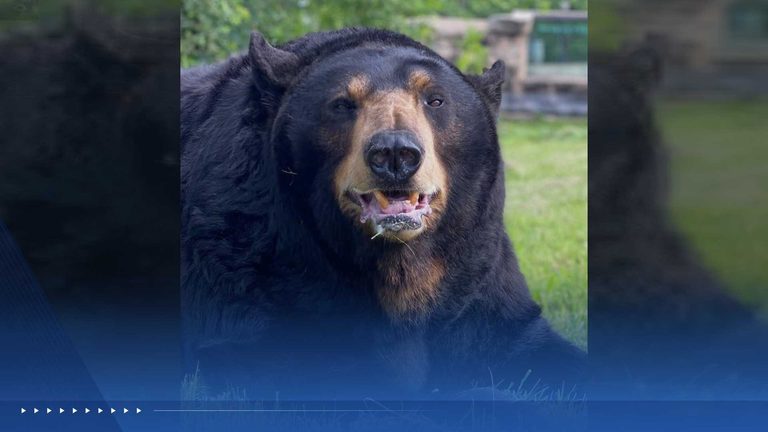
The Oklahoma City Zoo confirmed Tuesday that Maynard, a 21‑year‑old black bear who has been a fixture of the park since 2005, was humanely euthanized in his Oklahoma Trails habitat. Veterinarians and animal‑care staff monitored Maynard closely in his final weeks, determining that advanced arthritis and other age‑related health concerns made a peaceful end the most compassionate option.
Maynard’s Life at the Zoo
Maynard arrived at the zoo as a cub and was raised as a pet during his first few months before transitioning to the public exhibit. Over the past two decades he became a beloved ambassador for his species, delighting guests with his playful personality, love of training sessions, and preference for sweet treats such as peanut butter, yogurt, fruit, and juices.
“It has been an honor to work with him, and I know that all his past and present caretakers from the last 21 years feel the same way! He has been a great role model and companion for Woody. He has taught us so much about the capabilities of his species, and has helped to improve the future for black bears in the wild! He will truly be missed by all,” wrote carnivore caretaker Ambre S. in a social‑media post following the announcement.
Training and Bonding
Maynard remained eager to learn even as he aged. “Even as he got older, he was still willing to learn new things when training. One of my favorite memories with Maynard is the first time we trained with our bear restraint device in order to get voluntary radiographs,” caretaker Raegan H. shared, highlighting the bear’s continued cooperation and the zoo’s commitment to low‑stress veterinary care.
The bear’s close bond with his habitat mate, another black bear named Woody, was a source of comfort during his final days. Staff ensured Maynard was surrounded by familiar companions and caretakers when the decision to euthanize was carried out, adhering to the zoo’s established humane protocols.
Zoo’s Commitment to Compassionate Care
The Oklahoma City Zoo emphasized that the decision was made after extensive consultation with veterinary experts and animal‑care professionals. By choosing a humane end‑of‑life procedure, the zoo demonstrated its dedication to the highest standards of animal welfare, a principle that aligns with the community’s values of stewardship and respect for God‑created creatures.
“Our priority has always been Maynard’s quality of life,” the zoo’s director of animal care added. “When his arthritis progressed to the point where he could no longer move comfortably, we knew the kindest path forward was a peaceful, painless transition surrounded by those who loved him.”
Community Response
Local residents and zoo supporters took to social media to express gratitude for Maynard’s years of service and to commend the zoo’s transparent handling of the situation. Many highlighted the educational impact the bear had on children and families, reinforcing the zoo’s role as a vital community institution.
As the zoo continues to care for its remaining residents, it plans to expand educational programs that emphasize wildlife conservation and humane treatment of animals, ensuring Maynard’s legacy lives on in future generations of visitors.
Original reporting: Oklahoma City News Feed (HLL/CB) — read the source article.