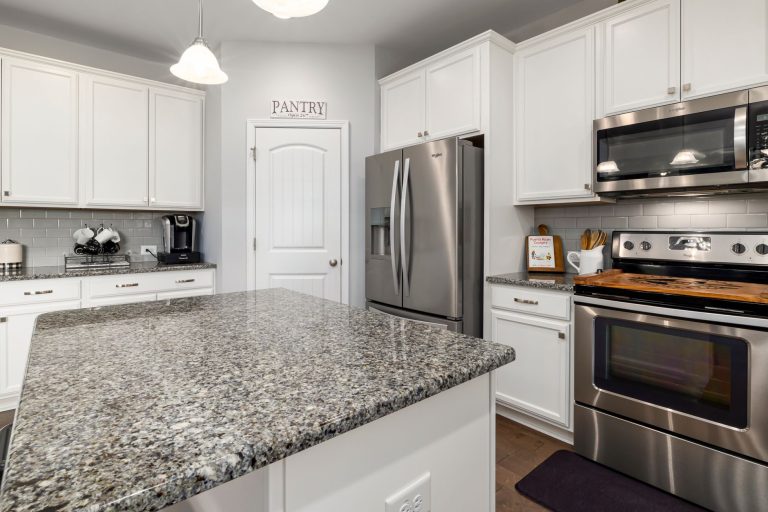
Oklahoma City officials rolled out a $130 million affordable‑housing strategy Tuesday, a move they say will help thousands of residents secure stable, long‑term homes as the city’s population heads toward one million by 2055.
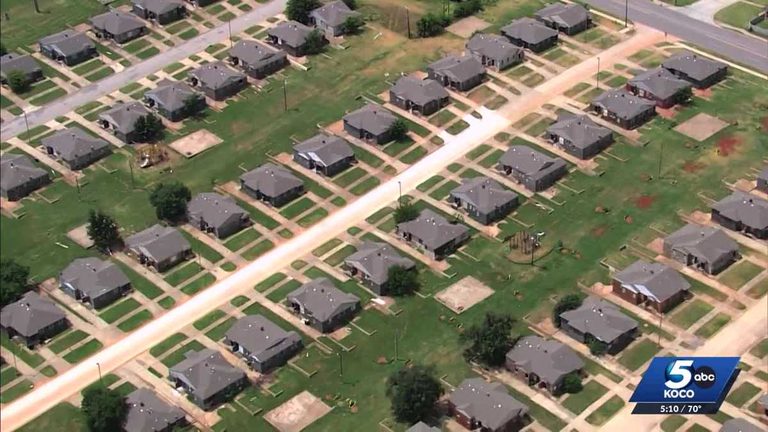
According to KOCO, the plan will fund the construction of 4,600 new homes each year and the renovation of roughly 1,000 existing units annually. The city also earmarked $25 million to redevelop the historic Will Rogers Court community, which has served residents for nearly a century.
The Journal Record reported that the same ten‑year strategy targets the addition of more than 11,000 new housing units and the rehabilitation of 34,000 existing homes, for a total of 45,000 units over the decade. City Planning Department staff say they hope to exceed those targets.
Shannon Entz, the housing‑strategy implementation manager, emphasized the need for a mix of one‑ and two‑bedroom starter homes, accessory dwelling units and homes located near transit and other public services. “Affordable housing does not mean cheap housing. This needs to be housing that lasts generations,” Entz said.
Funding will come from a blend of grants, municipal bonds and MAPS 4 dollars. Public money will prioritize households earning 60 % or less of the area median income (AMI). Moderate‑income families (61 %–80 % AMI) will receive assistance mainly through MAPS 4 and federal programs such as Community Development Block Grants and the HOME Investment Partnerships Program. Higher‑income households (81 %–120 % AMI) are expected to rely largely on private financing, though some public resources may still be available.
City leaders highlighted the urgency of the effort. The Planning Department’s data show that 77,000 Oklahoma City households are cost‑burdened, spending more than 30 % of their income on housing. Median home sale prices sit at $270,000, while a household earning 80 % of the AMI ($54,000 annually) would need a home priced near $174,000 to stay within the 30 % threshold, according to Ward 2 Councilman James Cooper.
Entz noted that construction costs now exceed $200 per square foot, adding pressure to find additional philanthropic partners, lenders and landowners to meet the ambitious goals.
What’s next: The Planning Department will convene a forum for developers, nonprofits, lenders and other stakeholders to review the strategy; a date has not yet been set. Residents can track permit activity and housing‑subsidy information at okc.gov/housing.
Sources: koco.com, journalrecord.com