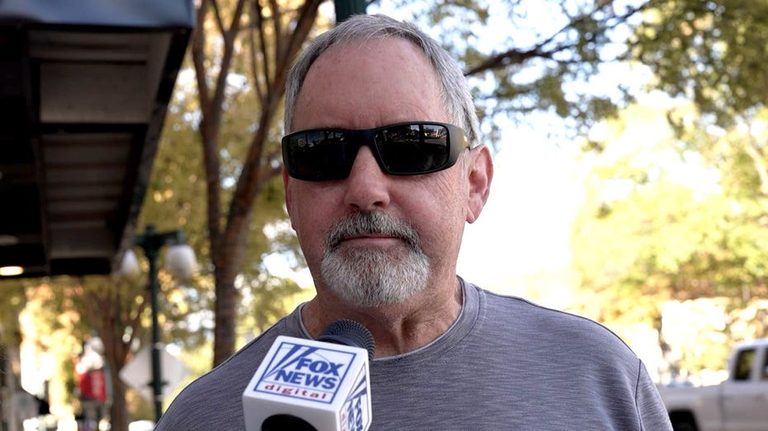
Following the 2026 midterm elections in which Democrats won statewide offices in Texas, residents of three neighboring red states stopped by local diners, downtown streets and community centers to share their worries that the “blue wave” could soon reach their own borders.
Oklahoma: A small town’s uneasy breakfast conversation
At Katie’s Diner in Guthrie, Oklahoma, longtime residents voiced alarm over the Texas results. Roger, a regular patron, blamed the shift on “the Democrats letting all those people cross the border,” suggesting immigration policy as a catalyst.
Stephanie, also from Guthrie, admitted she was “a little frightened” by the outcome, noting that Texas and Oklahoma have traditionally shared “Christian values” and a conservative outlook.
Curtis added a prayerful note, saying he felt Texans had been “deceived and lied to” by their politicians and warned that if Oklahoma voters stay home, the state could be next.
Local business owner Larry described the change as “shocking” and “freaked out” many, but also suggested that conservative Texans might relocate to Oklahoma, potentially strengthening the state’s economy.
Bob, however, was less concerned, saying a blue Oklahoma would be “just fine,” while Peggy expressed hope that the chain reaction would not affect her community.
Arkansas: Downtown residents weigh the odds
In Hot Springs, Arkansas, reactions were mixed. Mason from Beebe called the Texas turn “nuts” and doubted Arkansas would follow suit, saying he would consider moving if it did.
Calvin, also from Beebe, argued that a shift was “a matter of time” and that each state follows its own political curve.
Joel from Rogers welcomed the Texas outcome, saying it was “about time” and that it would hold former President Trump accountable, reflecting a desire for a new direction.
Jana, a die‑hard conservative who grew up in Texas, insisted Arkansas would remain red, describing any move toward the left as “not the way to go.”
Louisiana: Rural voices stress tradition
In Richland Parish, Louisiana, residents expressed confidence that their state would stay red. Josh from Lafayette warned that a blue Louisiana would likely see a surge in ammunition sales, hinting at concerns over personal safety.
Robert from Oak Grove called the Texas result “a world of trouble” for the Lone Star State, while Calvin from Monroe, a self‑identified Christian conservative, said he saw no reason for a dramatic political shift in Louisiana.
Mark from Lafayette said he was surprised by the speed of the Texas change but remained skeptical that it would happen again nearby, noting that the state’s deep‑rooted conservative culture would likely endure.
Common themes across the tri‑state region
Across Oklahoma, Arkansas and Louisiana, interviewees highlighted three recurring concerns: the preservation of conservative values rooted in faith and family, the impact of the political shift on local economies, and the fear that a blue Texas could trigger a domino effect.
Many stressed the importance of voter participation, warning that low turnout could open the door for further Democratic gains. Others pointed to demographic changes, such as migration from California, as potential catalysts for future shifts.
While some residents expressed optimism that conservative Texans might relocate to neighboring states, the prevailing sentiment was one of caution and a call to protect the traditional values that define their communities.
Original reporting: Fox News (HLL/CB) — read the source article.