Ohio voters will decide the future balance of the state’s highest court this November. After a 2021 law forced judicial candidates to list party labels, Republicans have won six straight Supreme Court races. If they capture the two open seats, the bench would become the first all‑Republican court since 2010.
Candidate spotlight
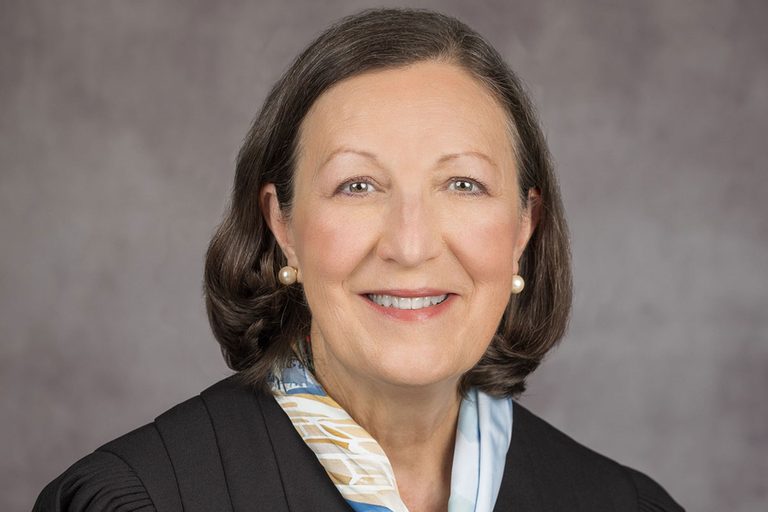
Incumbent Justice Jennifer Brunner, 69, is the lone Democrat remaining on the bench. A longtime ally of Senator Sherrod Brown, Brunner won a six‑year term in 2020 with 55% of the vote, but lost a bid for chief justice in 2022 by roughly ten points – a margin that has persisted in recent contests. In a recent interview, Brunner praised President Trump for successfully branding Democrats as “liberal judges who legislate from the bench,” a strategy she says resonates with many Ohio voters.
Her Republican challenger, Colleen O’Donnell, is a former Franklin County Common Pleas Court judge who later served as an immigration judge in Texas. O’Donnell’s record includes ordering the removal of illegal immigrants while on the federal bench. She emphasizes a strict interpretation of the law and has secured endorsements from business groups, police unions, and Ohio Right to Life.
Key issues on the ballot
The next generation of justices will confront several high‑profile matters, including Ohio’s new constitutional guarantee of abortion access, a $1 billion school‑voucher program, and a host of other contentious policy areas. Both candidates argue that their judicial philosophy will shape how these issues are applied across the state.
Legal challenge to partisan labeling
Following the 2021 partisan‑label law, Brunner filed a federal lawsuit claiming the requirement violates her constitutional rights. U.S. District Judge Benita Pearson, appointed by former President Barack Obama, dismissed the claim earlier this month. Brunner has not indicated whether she will appeal.
Age eligibility
Ohio law bars judges from taking office after turning 70. Brunner turns 70 in February, just two months into a new term, raising questions about her eligibility should she win.
Endorsements and support
Labor unions have largely backed Brunner, while business and insurance groups, along with law‑enforcement organizations, have thrown their support behind O’Donnell. The race reflects a broader partisan shift in Ohio’s judiciary, as the GOP leverages the new labeling rule to consolidate power.
What voters should know
Voters can find nonpartisan election information on the Ohio Secretary of State’s website, including polling locations and sample ballots. The outcome will determine whether Ohio’s Supreme Court continues a Republican sweep or retains a single Democratic voice on the bench.
Original reporting: Signal Akron — read the source article.