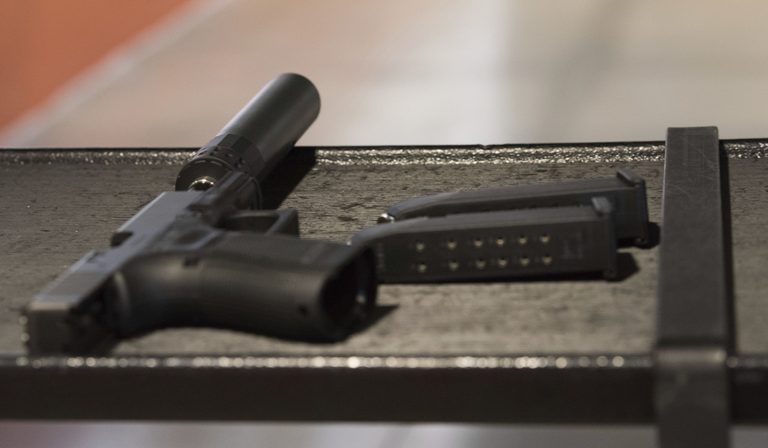
In a late‑session vote, Ohio’s Republican‑controlled General Assembly approved Senate Bill 278, dubbed the Freedom to Carry Act. The measure lowers the age for concealed‑carry from 21 to 18, eliminates the requirement that drivers store loaded firearms in a separate compartment, and expands the category of weapons that may be concealed without a permit.
Key provisions of the bill
The new law removes the current mandate that a driver must keep a loaded handgun in a trunk or other secured compartment. Under SB 278, any legally owned firearm—handgun, semi‑automatic rifle, shotgun or other deadly weapon not prohibited by state or federal law—may be stored in a vehicle, loaded or unloaded, in a manner that is readily accessible.
Most notably, the bill permits anyone 18 years of age or older who is legally allowed to possess a firearm to carry it concealed. Supporters argue that the change aligns Ohio’s statutes with the Second Amendment rights of young adults who serve in the military, law‑enforcement reserves, or who have completed appropriate training.
Supporters’ arguments
Jim Samuel, lobbyist for the Buckeye Firearms Association, testified that the existing vehicle‑storage rules create a confusing patchwork of regulations, especially for drivers of SUVs and other vehicles without traditional trunks. “This bill rectifies an unnecessary and contradictory set of laws,” Samuel said.
Republican House Speaker Matt Huffman emphasized the constitutional basis for the legislation, stating, “Every time we consider a Second Amendment measure, critics imagine the worst, but the goal is simply to protect a fundamental right.”
Opposition and concerns
Democratic lawmakers voiced strong objections. State Rep. Eric Synenberg warned that the measure would allow teenagers to conceal rifles or shotguns under their coats and could enable “road‑raging drivers” to keep loaded guns within easy reach. Ohio Fraternal Order of Police President Jay McDonald criticized the rollback of vehicle‑storage restrictions, calling it a step backward for public safety.
Democratic leader Dani Isaacsohn argued that the legislature should focus on education, noting the state’s high number of third‑graders who cannot read, rather than further loosening gun regulations.
Impact on local governments
SB 278 also strengthens Ohio’s pre‑emption of local gun ordinances. Cities that enact stricter regulations than state law could face lawsuits and be ordered to pay punitive damages. Keary McCarthy of the Ohio Mayors Alliance warned that the change could “open the floodgates to litigation,” though supporters contend it will deter municipalities from bypassing state standards.
Next steps
The bill now heads to Governor Mike DeWine. He may sign it into law, veto it, or allow it to become effective without his signature. If enacted, the Freedom to Carry Act would represent the broadest expansion of Ohio gun rights since the 2022 repeal of concealed‑handgun training and permitting requirements.
Regardless of the outcome, the legislation underscores the ongoing partisan divide in Ohio over gun policy and highlights the Republican majority’s commitment to expanding constitutional freedoms for law‑abiding citizens.
Original reporting: Signal Akron — read the source article.