On Thursday the Ohio Power Siting Board (OPSB) approved permits for two natural‑gas‑fired power plants that will serve private data‑center campuses in Central Ohio. The decisions come as the state continues to attract major technology developers seeking reliable, on‑site electricity for artificial‑intelligence workloads.
Plant details and developers
The first permit was awarded to PowerConneX for an 800‑megawatt gas‑fired plant in Ashville, just outside Columbus. The plant will supply power to two data‑center buildings owned by EdgeConneX, a Virginia‑based developer that has been expanding its footprint in the Midwest.
The second approval went to Advanced Power, a Massachusetts firm, for the Fairfield Energy Center. This 1,350‑megawatt facility will be built on a 120‑acre site near Millersport and will feed electricity to four data‑center buildings on a $2.1 billion campus owned by Vantage Data Centers, a Denver‑based company.
Economic and tax benefits
Both projects are being promoted for their potential to create thousands of construction jobs and generate substantial tax revenue for local governments. State officials highlighted the recent legal changes that reduced property taxes for newly built power plants and the sales‑tax exemptions available for capital costs associated with data‑center infrastructure. Those incentives can amount to tens or even hundreds of millions of dollars over the life of the projects.
Local opposition and community concerns
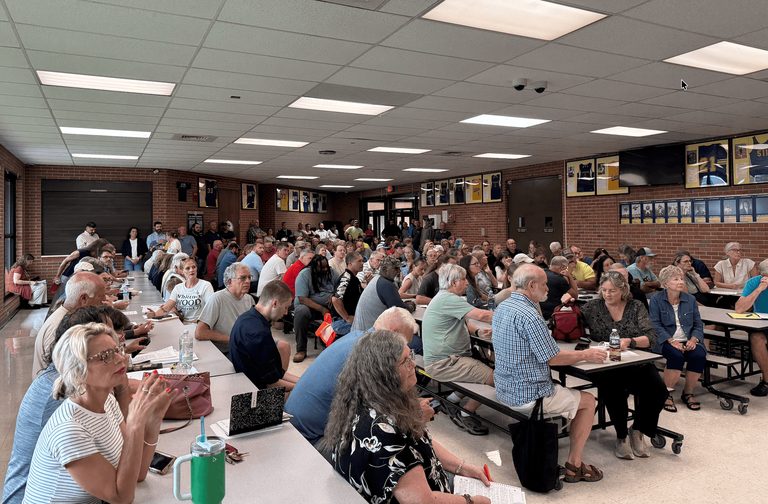
Public comment sessions revealed strong opposition from residents in both locations. In Ashville, voters recently rejected a village council resolution that had supported EdgeConneX, with more than 80 % voting to overturn the agreement. Despite the vote, the developer’s regulatory filings state that the referendum has “any effect” on the plant or data‑center construction.
Neighbors near the Millersport site also voiced concerns about noise, potential emissions from the gas plant, and the broader impact of expanding artificial‑intelligence facilities. Environmental groups have pointed to a recent study in Nature Sustainability that estimated Ohio’s data‑center sector produces 2.9 million metric tons of carbon dioxide annually, the third‑highest level in the nation.
Regulatory next steps
While the OPSB permits clear a major hurdle, the projects still require separate environmental approvals for water discharges and backup diesel generators. State and local officials say the approvals demonstrate Ohio’s commitment to supporting high‑tech industry growth while balancing regulatory safeguards.
Broader context
Ohio ranks among the top five states for data‑center development, a trend driven by the state’s central location, robust electrical grid, and favorable tax environment. The approvals align with a wave of data‑center moratoriums that voters approved earlier this month, reflecting a mix of enthusiasm for economic development and caution about environmental and community impacts.
As the projects move forward, the state will monitor job creation, tax contributions, and environmental compliance to ensure the benefits to Ohio families and communities are realized.
Original reporting: Signal Akron — read the source article.